
Sharks
Shark Facts
- Sharks first appeared over 400 million years ago.
- There are more than 540 living species of sharks.
- Sharks belong to the class Chondrichthyes.
- Sharks have skeletons made of cartilage instead of bone.
- Shark skin is covered with dermal denticles.
- Sharks continually replace their teeth throughout life.
- Some sharks must swim continuously to breathe, while others can rest on the seafloor.
- The Whale Shark is the largest fish in the world.
- The Greenland Shark is the longest-lived known vertebrate, with an estimated lifespan of 250 to 500 years.
- More than one-third of all shark and ray species are currently threatened with extinction.
Sharks are among the oldest living groups of vertebrates, appearing more than 400 million years ago, long before dinosaurs. They have survived multiple mass extinctions and evolved into one of the ocean’s most successful groups of predators. Today, scientists recognize more than 540 species of sharks, ranging from the 8-inch dwarf lanternshark to the 40-foot whale shark, the largest fish on Earth. Sharks inhabit nearly every marine environment, from shallow coral reefs and coastal estuaries to the deep sea.
What Makes a Shark a Shark?
Sharks belong to the class Chondrichthyes, the cartilaginous fishes, which also includes rays, skates, and chimaeras. Unlike most fishes, sharks have skeletons made entirely of cartilage instead of bone. Cartilage is lighter and more flexible than bone, allowing sharks to swim efficiently while remaining strong. Most sharks also have five to seven gill slits, multiple rows of replaceable teeth, skin covered with dermal denticles, and highly developed senses.
Shark Anatomy
One of the defining features of sharks is their cartilaginous skeleton. While lighter than bone, cartilage is reinforced with calcium salts, making it remarkably strong. Sharks also lack a swim bladder, so they rely on a large oil-rich liver, lift from their fins, and forward motion to remain buoyant.
Shark skin is covered with microscopic tooth-like scales called dermal denticles. These scales reduce drag, protect the skin from injury and parasites, and give shark skin its rough, sandpaper-like texture. Engineers have even copied shark skin to improve swimsuits, ship hulls, and aircraft surfaces.
Sharks continually replace their teeth throughout life. Instead of having a single set of permanent teeth, they possess multiple rows waiting behind the front row. As teeth are lost, new ones rotate forward. Some sharks may replace thousands of teeth during their lifetime. Tooth shape reflects diet, with pointed teeth for catching fish, serrated teeth for cutting flesh, and flattened teeth for crushing shellfish.
Shark Senses
Sharks possess one of the most sophisticated sensory systems in the animal kingdom.
Smell is often their strongest sense. Sharks can detect tiny amounts of chemicals released into the water and may follow scent trails over long distances.
Vision is excellent in many species, especially under low-light conditions. Some sharks also have a reflective layer behind the retina that improves night vision.
Hearing allows sharks to detect low-frequency sounds from injured prey or struggling animals.
The lateral line is a row of sensory organs running along each side of the body that detects movement, pressure changes, and vibrations in the surrounding water.
Perhaps the most unique sensory system is the Ampullae of Lorenzini, tiny gel-filled pores around the snout that detect weak electrical fields produced by muscles and nerves. This allows sharks to locate prey hidden beneath sand or in murky water.
Swimming and Breathing
Sharks use several methods to stay afloat because they lack a swim bladder. Their large liver, filled with low-density oils, provides buoyancy, while their pectoral fins generate lift much like an airplane wing.
Not all sharks breathe the same way. Some species, including the Blacktip Reef Shark, use ram ventilation, requiring continuous swimming to force water across their gills.
Other sharks, including Zebra Sharks and Nurse Sharks, use buccal pumping, actively pumping water over their gills so they can rest comfortably on the ocean floor.
Feeding
Sharks occupy nearly every feeding niche in the ocean. Depending on the species, they may eat fish, squid, shrimp, crabs, clams, rays, sea turtles, marine mammals, or even microscopic plankton.
A shark’s teeth usually reveal its preferred diet. Great white sharks possess serrated cutting teeth, while zebra sharks have smaller teeth adapted for crushing hard-shelled prey. Whale sharks and basking sharks are filter feeders that consume enormous amounts of plankton despite being the largest fishes on Earth.
Reproduction
Sharks reproduce much more slowly than most fishes, making them especially vulnerable to overfishing.
There are three primary reproductive strategies:
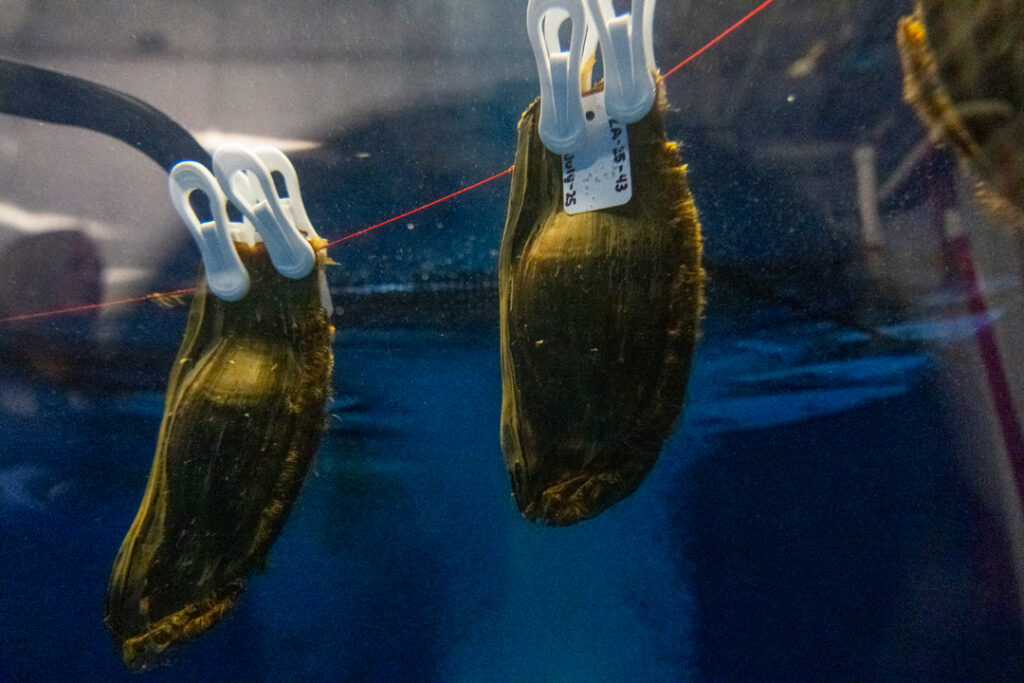
Oviparous (Egg-Laying): Females lay leathery egg cases that develop outside the body. Zebra sharks are one example.
Ovoviviparous: Eggs develop and hatch inside the mother before the young are born alive.
Viviparous (Live Birth): Young develop inside the mother and receive nutrients through a placenta-like connection. Blacktip reef sharks reproduce this way.
Many shark species require years or even decades to reach sexual maturity and often produce relatively few offspring.
Diversity
More than 540 shark species have been identified worldwide. Some spend their lives on coral reefs, while others migrate across entire oceans or inhabit the deep sea.
Examples include:
- Whale Shark, the world’s largest fish
- Great White Shark
- Tiger Shark
- Hammerhead Sharks
- Blacktip Reef Shark
- Zebra Shark
- Nurse Shark
- Greenland Shark, which may live 250 to 500 years
Each species occupies its own ecological niche and has evolved specialized adaptations for feeding, swimming, and reproduction.
Conservation
Sharks are essential predators that help maintain balanced marine ecosystems by regulating prey populations and removing weak or sick animals.
Unfortunately, sharks are declining worldwide. According to the International Union for Conservation of Nature (IUCN), more than one-third of all shark and ray species are threatened with extinction.
Major threats include:
- Overfishing
- Bycatch in commercial fisheries
- Habitat destruction
- Coral reef degradation
- Climate change
- Illegal shark fin trade
Because sharks grow slowly, mature late, and produce relatively few young, populations often take decades to recover after declines.
Sharks and Humans
Despite their reputation, sharks rarely attack humans. Most species pose little or no danger to people and prefer natural prey.
Humans have a much greater impact on sharks than sharks have on humans. Tens of millions of sharks are removed from the oceans each year through commercial fishing and accidental bycatch.
Modern zoos and aquariums contribute to shark conservation through education, veterinary medicine, research, and public awareness, helping visitors better understand these remarkable animals and the challenges they face in the wild.