
Alpaca
Kids Kingdom
Alpacas are domesticated animals native to the Andes Mountains, selectively bred by humans more than 6,000 years ago. Similar to the buffalo of the Great Plains, alpacas were vital to Andean civilization as a source of meat, fuel, and hides, but unlike buffalo, they were fully domesticated. Today, there are two breeds: Suri alpacas, known for their long, silky fleece, and Huacaya alpacas, with shorter, crimpy fibers. Valued for their soft fleece used in textiles, alpacas also play a key role in zoos as ambassadors for Andean ecosystems, educating visitors about sustainable farming, biodiversity, and climate change.
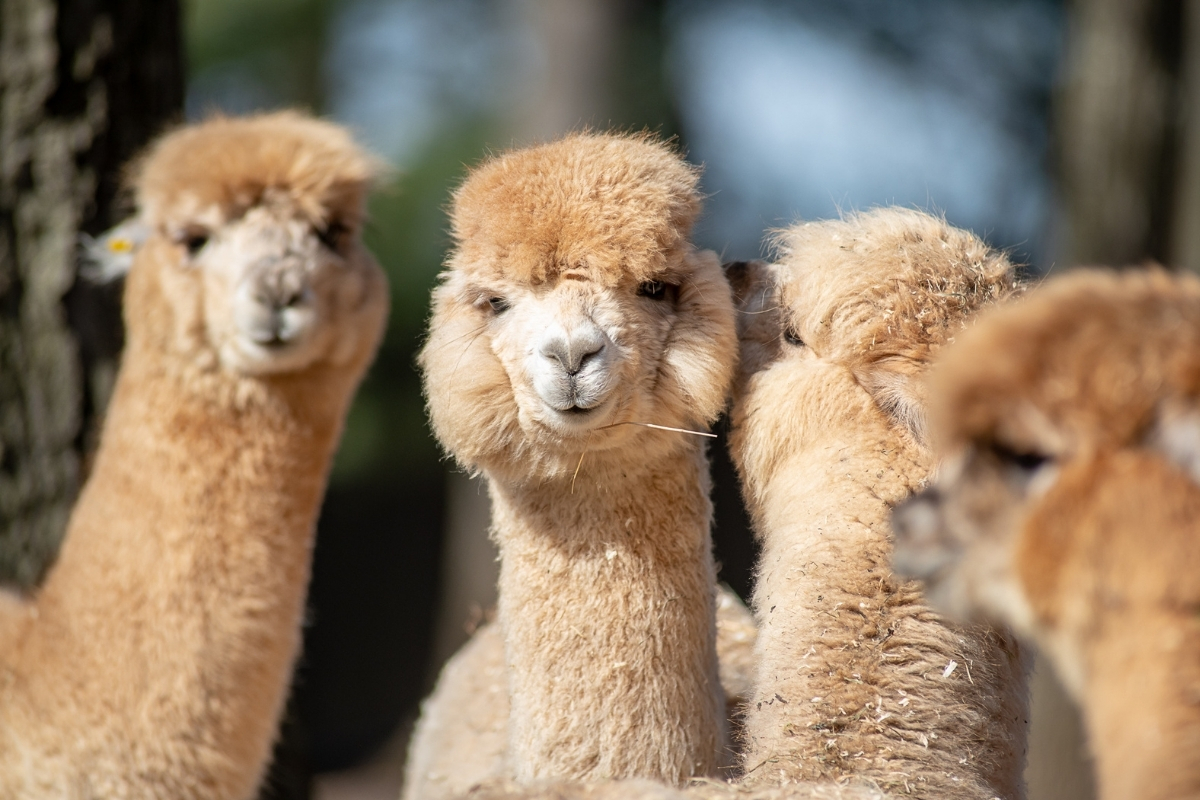
Oh Henry
Male • 9 yrs 1 mos
DOB: 08/16/2017
Born At: West Penn Alpacas
Date In: 07/05/2018
Markings: all white
Whatchamacallit
Male • 9 yrs 1 mos
DOB: 08/16/2017
Born At: West Penn Alpacas
Date In: 07/05/2018
Markings: brown/red
Snickers
Male • 9 yrs 1 mos
DOB: 08/16/2017
Born At: West Penn Alpacas
Date In: 07/05/2018
Markings: medium fawn, all dark muzzle
Reese’s
Male • 9 yrs 1 mos
DOB: 08/16/2017
Born At: West Penn Alpacas
Date In: 07/05/2018
Markings: white with brown spot on side
Hershey
Male • 9 yrs 1 mos
DOB: 08/16/2017
Born At: West Penn Alpacas
Date In: 07/05/2018
Markings: darkest brown
Twix
Male • 9 yrs 1 mos
DOB: 08/16/2017
Born At: West Penn Alpacas
Date In: 07/05/2018
Markings: fawn with light muzzle
Gone and Moved
Basic Information
Origins: Native to the Andean Mountains of South America, including Peru, Bolivia, and Chile.
Domestication: Domesticated over 6,000 years ago and deeply connected to Andean cultures.
Size: Smaller and more delicate than llamas, with shorter ears and a lighter build.
Colors: Come in a wide variety of coat colors including white, black, brown, gray, and mixed patterns.
Social Behavior: Highly social herd animals that communicate through humming and body language.
Fleece: Produce soft, warm, hypoallergenic fleece often compared to cashmere.
Textiles: Fleece is used to make luxurious textiles, clothing, and woven goods.
Diet: Grazers that primarily feed on grasses and hay.
Habitat: Thrive in high-altitude temperate climates similar to the Andes Mountains.
Llama Differences: Smaller than llamas and primarily bred for fiber production, while llamas are commonly used as pack animals.
Conservation: Not endangered and now raised worldwide, including in North America and Europe.
Nanobody Research: Their immune systems produce nanobodies used in medical research for cancer, infectious diseases, and other treatments.
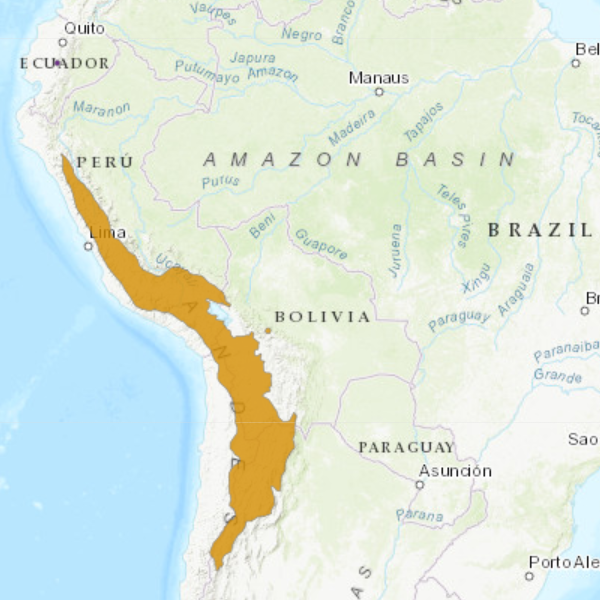
Habitat: Native to the Andes Mountains, where they thrive in temperate high-altitude environments.
Global Distribution: Now raised worldwide on every continent except Antarctica.
Offspring: Usually a single baby called a cria.
Induced Ovulators: Ovulation occurs in response to mating rather than a regular heat cycle.
Year-Round Breeding: Alpacas can breed year-round without specific breeding seasons.
Birth: Females typically give birth while standing. Cria usually weigh 10–17 pounds at birth.
Weaning: Cria are generally weaned at 6–8 months of age.
Smallest Camelid: Smallest of the domesticated camelids, smaller than llamas, vicuñas, and guanacos.
Body Shape: Slender, rounded body with a short tail.
Neck & Legs: Long, graceful neck and legs adapted for mountain terrain.
Head: Small head with large expressive eyes and pointed ears.
Fleece: Extremely soft fleece that comes in many natural colors and is highly valued for textiles.
Feet: Soft padded feet help prevent soil compaction and reduce damage to vegetation.
Teeth: No upper front teeth. Males develop long fighting teeth from the incisors and canines.
Diet: Strict herbivores that graze about 1.5% of their body weight daily.
Digestive System: Pseudo-ruminants with a three-chambered stomach and cud-chewing behavior for efficient nutrient extraction.
Chewing Motion: Chew in a figure-eight motion to help process tough plant material.
A fluffy animal with no upper front teeth, sword-like fighting teeth, and luxury-grade wool. Evolution really refused to commit to a single design theme here.
Temperament: Generally friendly, quiet, and intelligent animals.
Social Structure: Social herd animals that live in groups consisting of an alpha male, females, and young.
Communication: Communicate through vocalizations, spitting, and body language.
Vocalizations: Include humming, orgling, snorting, grumbling, screeching, alarm calls, and clicking sounds.
Spitting: Used when distressed, annoyed, or frightened; usually directed at other alpacas rather than people.
Body Language: Includes neck posturing, ear and tail positioning, and head tilting.
Broadside Pose: Defensive stance with the body turned sideways, neck arched, tail raised, and ears back.
Dung Piles: Use communal dung piles to keep grazing areas cleaner.
Senses: Excellent eyesight and hearing help detect danger and maintain herd communication.
Split Upper Lip: Helps graze efficiently on sparse vegetation.
Soft-Padded Feet: Reduce environmental impact and improve movement on rocky terrain.
High Red Blood Cell Count: Allows survival in low-oxygen high-altitude environments.
Water Conservation: Efficiently conserve moisture and can go extended periods with limited water.
Predators: In their native habitat, alpacas are vulnerable to predators such as pumas, foxes, and Andean condors (targeting young or weak individuals).
There are no natural, native, non-domesticated herds of alpacas. Alpacas are fully domesticated animals and do not exist in the wild. Their wild ancestor, the vicuña, is native to the Andes Mountains and can still be found in the wild.
Sustainable Grazing: Alpacas are selective grazers that eat only the tops of plants, allowing vegetation to quickly regrow and reducing soil erosion.
Soft Footpads: Soft padded feet minimize soil compaction and environmental damage.
Waste Management: Use communal dung piles, helping keep grazing areas cleaner and improving soil quality.
Water Efficiency: Adapted to arid environments and use water efficiently compared to many livestock species.
Low Emissions: Produce relatively low greenhouse gas emissions.
Fiber Production: Alpaca fiber is durable, hypoallergenic, breathable, moisture-wicking, and naturally available in many colors, reducing the need for dyes.
Herd Protection: Can serve as herd guards for smaller livestock animals.
Domestication: Domesticated by Andean peoples thousands of years before the Inca civilization.
Alpacas somehow ended up being the environmentally responsible version of livestock. Soft feet, efficient grazing, low emissions. Meanwhile humans invented disposable glitter fashion shipped across oceans in plastic bags.
Sustainable Farming: Organizations such as the International Alpaca Association promote ethical and sustainable alpaca farming.
Climate Support: Habitat restoration and water management projects in the Andes indirectly support alpaca populations.
Community Programs: Local South American initiatives improve farming practices and help protect surrounding ecosystems.
Habitat Threats: Although alpacas are domesticated and found worldwide, their native Andean habitats face pressures from human encroachment, climate change, and global textile waste, including clothing dumps in parts of Chile.
Sustainable Fashion: Choose sustainable and ethical alternatives to fast fashion.
Support Local: Support Pittsburgh businesses and shops that sell sustainable alpaca products.
Reduce Waste: Recycle, reduce waste, and use public transit to help lower environmental impacts.
Education: Teach others about the environmental effects of fast fashion and the value of sustainable choices.
Natural Fibers: Invest in durable, eco-friendly natural fibers such as alpaca wool.
Humanity managed to turn entire deserts into clothing dumpsters while simultaneously inventing “ultra fast fashion.” A species fully committed to speed-running its own supply chain collapse.
Domestication: Alpacas were domesticated 6,000–7,000 years ago in the Andes Mountains of South America, primarily in present-day Peru.
Wild Ancestor: Bred from the wild vicuña for their soft fleece and value as a sustainable resource.
Andean Cultures: Alpacas played an important role in early Andean societies, especially the Inca civilization, which highly valued their wool and viewed them as symbols of wealth.
Encyclopedia
Lasted Updated