
Canada Lynx


  • Forest Passage
Back to Animals
News
Individuals
Basic Info
Guide
Biofacts
Encyclopedia

The Canada Lynx (Lynx canadensis) is a medium-sized wild cat native to the boreal forests of North America. Known for its thick, silvery-gray fur, tufted ears, and large snowshoe-like paws, this elusive predator is perfectly adapted to life in snowy, cold climates. A member of the genus Lynx, it shares its lineage with the Eurasian Lynx, Iberian Lynx, and Bobcat, but stands out due to its close dependence on the snowshoe hare for survival.
With their keen hearing, enhanced by the tufts on their ears, and glowing eyes due to a specialized structure called the tapetum lucidum, Canada Lynxes are expert nocturnal hunters. Their quiet, solitary lives and reliance on dense forests make them rare and fascinating creatures to observe. As both predators and prey, they play a vital role in maintaining the balance of their ecosystem.
Whether navigating deep snow, raising their young in hidden dens, or roaming vast territories marked by scent, the Canada Lynx embodies the rugged beauty and resilience of North America’s northern wilderness. These remarkable cats are not just symbols of survival but also a reminder of the delicate balance between species and their habitats.
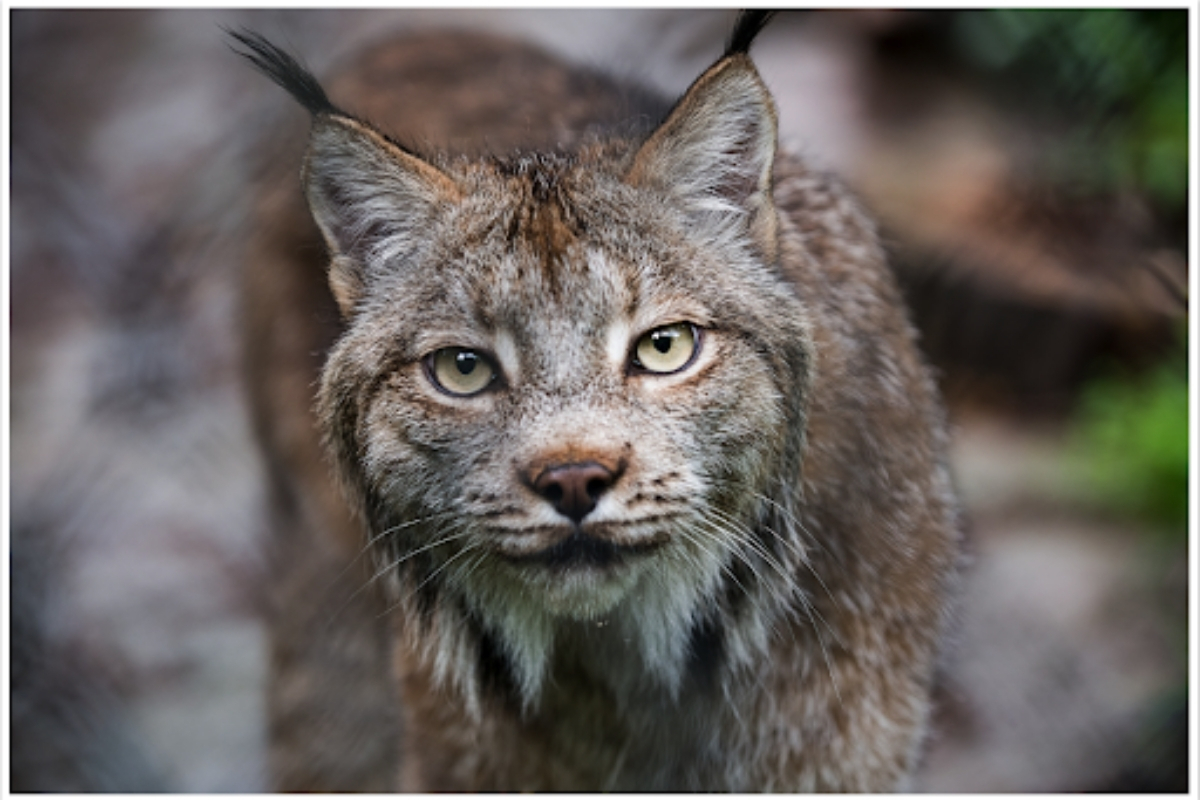
Bjorn and Floki were moved to Lake Superior Zoo in Dec 2025
Odr
Male • 14 yrs 4 mos
DOB: 05/11/2012
Born At: Minnesota Zoological Garden
Date In: 04/19/2017

Gone or Moved

Bjorn and Floki were moved to Lake Superior Zoo in Dec 2025

They like to be more hidden and stay on the top of the exhibit. They don’t want to be seen because they are not A-type predators. In the wild they stay in bushes and don’t want to be seen.

Basic Information

Distinctive Appearance: Known for tufted ears, short tail, and thick fur adapted to cold environments.

Key Predator: Controls snowshoe hare populations, helping maintain ecosystem balance.
Solitary Nature: Skilled, nocturnal hunters that rely on stealth.
Habitat: Inhabits dense forests and mountainous regions, adapted to deep snow.
Conservation Status: Faces threats from habitat loss and climate change.
Cultural Significance: Symbol of the wild, revered for its stealth and wisdom.

Canada, Alaska, and parts of the northern United States populations are concentrated in the northern Rockies, Great Lakes region, and parts of New England.
Habitat
Prefer boreal forests with dense undergrowth for cover and an abundant snowshoe hare population.
Thrive in cold climates with deep snow, where their adaptations provide a competitive edge.

Body Length: 22-26 inches at shoulder (80-105 cm) Tail Length: 4-5 inches (10-12 cm) Weight: 18-24 lbs (8-11 kg), with males typically larger than females.
Breeding Season: Occurs from March to April.

Mating Behavior: Females typically mate with only one male per breeding season, while males may mate with multiple females.
Den Preparation: Females prepare dens under fallen logs, root systems, or ground depressions surrounded by dense vegetation to protect their young.
Gestation: Lasts approximately 56–70 days, with kittens born in May or early June.
Litter Size: Litters range from 1 to 5 kittens, with larger litters occurring when prey such as snowshoe hares are abundant.
Kitten Development: Kittens nurse for 4 to 5 months but begin eating solid food at about 1 month of age.
Independence: By 10 months to 1 year, kittens leave their mother to establish their own territories.
Adult Size: Lynx reach full adult size by about 2 years of age.
Sexual Maturity: Females can mature at 10 months, but during food scarcity may not mature until around 2 years.
Male Maturity:

Up to 25 yrs in zoo About 12 yrs in wild
Primarily Snowshoe hares If hares are scarce, also birds and small rodents
Least Concern as of 2014
*Population is generally considered to be in the tens of thousands in Canada, but only around 2000 in the US including Alaska

Dense Fur: The Canada Lynx has dense, long fur that insulates against harsh winters and allows silent movement while stalking prey.
Ruffed Faces and Tufted Ears: Distinctive ear tufts enhance hearing, while the ruffed fur around the face adds warmth and protection.
Coloration: Fur ranges from reddish-brown to gray with a white belly. Ears and tail are black-tipped, and rare “blue-lynx” individuals occur due to a genetic mutation. In winter, fur becomes longer and grayer to blend into snowy environments.
Sexual Dimorphism: Males are larger and heavier than females.
Body Structure: Forelimbs are shorter than the hind limbs, giving the back a sloped appearance.
Claws: Equipped with retractable claws for climbing and capturing prey.
Paws: Large paws with long, thick fur act like snowshoes, helping them move easily through deep snow.

Solitary Lifestyle: Canada Lynxes are primarily solitary animals, with males and females coming together mainly during the breeding season.
Nocturnal Activity: Mostly active at night, using exceptional hearing and eyesight to hunt in low light.
Home Range: Territories vary based on prey availability and range from 15 to 50 square kilometers. Lynxes use scent marking to define and defend their territory.
Hunting Strategy: Ambush predators that rely on stealth and patience to capture prey, especially snowshoe hares. They may stalk prey for hours before pouncing.
Adaptation to Prey Cycles: Behavior is strongly influenced by snowshoe hare populations. When hares are scarce, lynxes may travel farther or diversify their diet.
Communication: Communicate through growls, hisses, and yowls, especially during mating season. Scent marking is also used to signal territory and presence.
Climbing and Swimming: Primarily terrestrial, but capable of climbing trees and swimming when needed for survival.
Resting Habits: Rest in dense vegetation, hollow logs, or under rock ledges to remain hidden and conserve energy.

Large Paws: Fur-covered paws act like snowshoes, helping movement through deep snow.

Adapted Ears: Black ear tufts enhance hearing and help detect prey.
Keen Hunting Skills: Exceptional vision and hearing allow hunting in low light and snowy conditions.
Thick Fur: Dense coat provides insulation and camouflage in cold, snowy environments.
Silent Movement: Padded paws allow stealthy movement while stalking prey.

Have few predators, but lynx have been killed by wolves, fishers, bobcats, and coyotes.

Habitat Loss: Deforestation, urbanization, and land development reduce and fragment Canada Lynx habitat.

Climate Change: Changing temperatures affect snowshoe hare populations, a critical food source for lynx survival.
Human-Wildlife Conflict: Encroachment into lynx habitats increases disturbance, trapping, and illegal hunting risks.
Habitat Fragmentation: Isolated habitats limit migration and reduce genetic diversity.
Wildfire Risks: Larger and more frequent wildfires threaten forest habitats and prey availability.

Top Predator: Canada Lynx are important predators in forest ecosystems, helping regulate small mammal populations, especially snowshoe hares.

Food Web Balance: Prey control helps maintain balance in the food web, preventing overgrazing and supporting plant diversity.
Biodiversity Support: Their predation helps stabilize ecosystems by influencing the abundance and behavior of other species.

Wildlife Protection: Protected in many areas through wildlife laws, hunting restrictions, and habitat preservation efforts.
Forest Conservation: Conservation programs focus on protecting and restoring forests critical to lynx and their prey.
Research and Monitoring: Tracking programs monitor lynx populations, movements, and migration patterns to support management strategies.
Community Collaboration: Partnerships with local communities help reduce human-wildlife conflict.
Threatened Status: The Canada Lynx is listed as threatened under the Endangered Species Act (ESA) in the lower 48 states.

Habitat Protection: Support conservation groups like the Western Pennsylvania Conservancy that help protect forests and wildlife habitats.
Reduce Emissions: Use public transit, biking, carpooling, and energy-efficient appliances to help reduce climate impacts on wildlife.
Habitat Connectivity: Support wildlife crossings, greenways, and connected natural spaces that allow animals to move safely between habitats.
Sustainable Forestry: Choose FSC-certified wood products and advocate for responsible forest management practices.
Community Involvement: Join clean-up events or tree-planting projects with organizations like the Allegheny Land Trust.
Education: Learn about wildlife conservation at the Pittsburgh Zoo and share conservation knowledge with others.

Bobcat Comparison: Often confused with bobcats; however, bobcats are smaller and are found from Mexico to Canada.

Population Cycles: The predator-prey relationship between Canada Lynx and snowshoe hares is one of the best-documented examples of population cycles in nature.
Large Territories: Lynx can cover territories up to 30 square miles while searching for hares during low population years.
Snowshoe Hare Habitat: Snowshoe hares rely on dense vegetation for food and cover, making habitat changes an important factor in their population cycles.
Snow Adaptations: Both species are adapted to snowy environments, with lynx using large paws like snowshoes and hares changing fur color seasonally for camouflage.
Elusive Nature: Canada Lynxes are so stealthy that sightings are rare, even where they are relatively common, earning them the nickname “ghosts of the north.”


Guest Engagement

  1. Snowshoe Feet
  2. Hare Population Cycle
  3. Silent Hunting
  4. Hidden Predator
  5. Ear Tufts Hearing
  6. Deep Snow Advantage
  7. Rare Sightings
  8. Hidden up High

Snowshoe Feet
• “Look at those oversized paws, they’re basically built-in snowshoes.”
• Their paws spread their body weight so they stay on top of deep snow instead of sinking like most animals.
• Thick fur grows between their toes, adding insulation and extra grip on icy surfaces.
• This lets them move faster and more efficiently than prey that struggles in winter conditions.
• What looks exaggerated is actually one of the most important survival adaptations they have.

Hare Population Cycle
• “This cat’s life is tied almost completely to one animal, the snowshoe hare.”
• When hare populations increase, lynx numbers rise shortly after because food becomes abundant.
• When hare populations crash, lynx produce fewer kittens and may travel much farther to find food.
• This cycle repeats about every 8 to 11 years and affects entire ecosystems.
• Scientists use this relationship as one of the clearest real-world examples of predator-prey population cycles.

Silent Hunting
• “This is a stealth hunter, not a long-distance chase predator.”
• Their padded paws allow them to move almost silently across snow and forest ground.
• They stalk slowly and may watch prey for long periods before committing to an attack.
• The final attack is a short, powerful leap designed to catch prey off guard.
• Most of their hunting happens at night or in low light when they have a sensory advantage.

Hidden Predator
• “You’re actually seeing something rare, these cats go out of their way to stay hidden.”
• In the wild they stay inside dense forest cover and avoid open areas whenever possible.
• Their gray winter coat blends into snow, shadows, and tree cover, making them hard to spot.
• They rest under logs, rock ledges, or thick vegetation during the day to stay concealed.
• This behavior is why they are often called ‘ghosts of the north.’

Ear Tufts Hearing
• “Those black ear tufts help them detect sound, not just make them look dramatic.”
• Lynx rely heavily on hearing to locate prey moving under snow or hidden in brush.
• They can pinpoint small movements even when they cannot see anything.
• The thick fur around their face helps funnel sound toward their ears.
• This gives them a major advantage when hunting in darkness or dense forest environments.

Deep Snow Advantage
• “Most predators struggle in deep snow, but this one is built to use it.”
• Their long back legs allow them to make powerful leaps through deep, uneven terrain.
• Prey like hares still sink slightly, which slows them down just enough to matter.
• Competing predators such as coyotes are less efficient in these conditions.
• Snow depth can directly determine which predators succeed in this environment.

Rare Sightings
• “Even in places where they live, people almost never see them in the wild.”
• They are solitary animals that actively avoid human presence and disturbance.
• Individuals maintain large territories, so they are spread far apart across the landscape.
• They rely on scent marking instead of visual signals to communicate with each other.
• Their secretive behavior makes them one of the most difficult wild cats to observe.

Hidden Up High
• “You might notice they stay up high and out of view instead of walking around.”
• Canada lynx are not dominant, confrontational predators, so they avoid being seen rather than standing their ground.
• In the wild, animals like wolves, coyotes, or even bobcats can outcompete or kill them.
• Staying elevated lets them watch everything while keeping distance from potential threats.
• What looks like hiding is actually a survival strategy based on stealth and avoiding risk

Encyclopedia

Canada Lynx (Lynx canadensis)

The Canada lynx is a medium-sized wild cat adapted to the cold, snowy forests of North America. Native to Canada, Alaska, and parts of the northern United States, this elusive predator is best known for its thick fur, tufted ears, and oversized, snowshoe-like paws. It is closely tied to boreal forest ecosystems and depends heavily on snowshoe hares as its primary food source.

Physical Characteristics

Canada lynx weigh between 18 and 24 pounds and have a body length of roughly 22 to 26 inches, with a short tail measuring 4 to 5 inches. Males are typically larger than females.

They are highly adapted for cold environments. Their dense fur provides insulation and becomes thicker and grayer in winter for camouflage. Their faces are framed by ruffs of fur, and their ears are tipped with black tufts that enhance hearing.

Their most distinctive feature is their large, fur-covered paws, which act like snowshoes and allow efficient movement across deep snow. Their hind legs are longer than their front legs, giving them a slightly sloped back and strong leaping ability.

Habitat and Range

Canada lynx are found across Canada and Alaska, with smaller populations in the northern United States, including the Rocky Mountains, Great Lakes region, and parts of New England.

They prefer boreal forests with dense undergrowth that provides cover and supports snowshoe hare populations. These habitats are typically cold and snowy, where lynx have a clear advantage over other predators.

Behavior and Social Structure

Canada lynx are solitary animals, coming together only during the breeding season. They maintain territories that vary depending on prey availability, generally ranging from 15 to 50 square kilometers.

They are primarily nocturnal and rely on stealth and patience when hunting. Lynx often stalk prey for extended periods before making a quick, precise attack.

Communication occurs through scent marking and vocalizations such as growls, hisses, and yowls, especially during mating season.

Their behavior is closely tied to snowshoe hare population cycles. When hares decline, lynx travel farther and expand their diet.

Diet and Feeding

Canada lynx are specialized predators that primarily hunt snowshoe hares. When hares are scarce, they also consume birds and small mammals.

They are ambush hunters, using camouflage and silent movement to approach prey before striking with powerful leaps.

Reproduction and Development

Breeding occurs from March to April. Females typically mate with one male, while males may mate with multiple females.

After a gestation period of 56 to 70 days, females give birth to 1 to 5 kittens, usually in May or early June. Dens are located under logs, root systems, or dense vegetation for protection.

Kittens nurse for 4 to 5 months and begin eating solid food at about one month. They remain with their mother for up to a year before dispersing. Lynx reach full adult size around two years of age.

Lifespan

Canada lynx live about 12 years in the wild and can reach up to 25 years in human care.

Predators

Adult lynx have few predators but may occasionally be killed by wolves, coyotes, fishers, or bobcats. Kittens are more vulnerable due to their size and dependence on shelter.

Ecological Importance

Canada lynx play a key role in boreal ecosystems by regulating snowshoe hare populations. This predator-prey relationship is one of the most well-known population cycles in ecology.

Conservation Status and Threats

Canada lynx are classified as Least Concern globally, though populations in the United States are listed as threatened.

Major threats include habitat loss from development, climate change affecting snow conditions and prey availability, and habitat fragmentation.

Conservation Efforts

Efforts focus on protecting forest habitats, maintaining wildlife corridors, and monitoring populations. Conservation programs also support sustainable forestry and reduce human-wildlife conflict.

Additional Notes

Canada lynx are often mistaken for bobcats, but lynx are more specialized for cold environments. Their large paws and thick fur give them a clear advantage in deep snow.

They are rarely seen in the wild due to their secretive behavior, which has earned them the nickname “ghosts of the north.”

Lasted Updated

Views: 0

© 2026 Pittsburgh Zoo Docents