
Cheetah
African Savanna
Cheetahs are the fastest land animals, capable of reaching speeds up to 70 mph in short bursts, thanks to their slim, aerodynamic bodies, semi-retractable claws, and long tails for balance. Unlike other big cats, cheetahs have a rigid hyoid bone, allowing them to purr continuously but preventing them from roaring. Known for their exceptional stealth and speed, cheetahs are daytime hunters, relying on their to chase down prey. However, they often face kleptoparasitism, losing their kills to larger predators like lions, hyenas, and leopards. These solitary cats—except for males forming coalitions—are under threat due to habitat loss, human-wildlife conflict, and illegal wildlife trade, which have pushed them toward a vulnerable status. Conservation efforts, such as the work of the Cheetah Conservation Fund (CCF) and programs training livestock guardian dogs, are crucial in protecting these iconic predators and their ecosystems.
Date In: 06/29/2022
Date In:06/29/2022
Basic Information
Speed: Cheetahs are the fastest land animals, reaching speeds up to 70 mph in short bursts.
Hyoid Bone: Unlike roaring big cats, cheetahs have a rigid hyoid bone, enabling them to purr continuously.
Stealth: They rely on stealth and speed rather than strength to hunt prey during the day.
Claws and Tail: Semi-retractable claws and a long tail provide grip and balance during high-speed chases.
Social: Male cheetahs form coalitions, while females are typically solitary except when raising cubs.
Habitat Loss: Human expansion and agriculture are the leading causes of habitat destruction for cheetahs.
Human-Wildlife Conflict: Retaliation killings by farmers protecting livestock threaten wild populations.
Illegal Trade: Cheetah cubs are trafficked as exotic pets, contributing to population decline.
Conservation Programs: Organizations like the Cheetah Conservation Fund (CCF) support habitat restoration and community education.
Livestock Guardians: Programs training Anatolian shepherd dogs help farmers protect livestock without harming cheetahs.
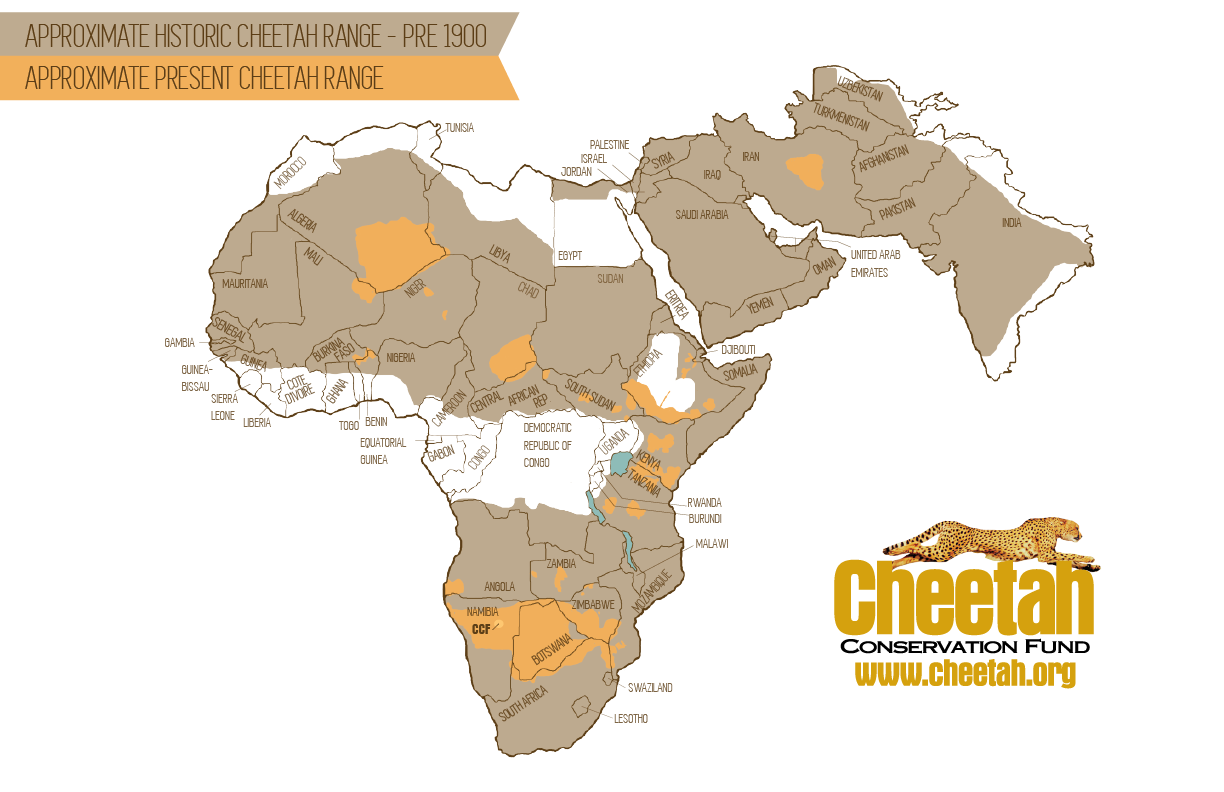
Key Regions: Significant populations occur in Namibia, Botswana, South Africa, and Kenya.
Habitat: Prefer open plains, grasslands, and savannas, but can also live in scrublands and arid regions.
Breeding: Occurs year-round depending on environmental conditions.
Gestation: Lasts about 90–95 days, or roughly 3 months.
Litter Size: Typically 3–5 cubs are born at a time.
Sexual Maturity: Reached at approximately 20–23 months of age.
Females: Solitary except when raising cubs, while males may form coalitions for hunting and territory defense.
Cubs: Only about 5% reach adulthood due to high infant mortality and predation.
Newborn Cubs: Born blind and helpless in dens, with gray fur and a mantle of long hair for camouflage.
Mother: Moves cubs to a new den every few days to reduce scent buildup and predator risk.
Weaning: Occurs around 3 months of age, when cubs begin following their mother to kills.
Independence: Cubs leave their mother at 13–20 months but may remain together for several more months.
Breeding Challenges in Captivity
Genetic Bottleneck: Low genetic diversity from a population crash about 10,000 years ago increases disease vulnerability and reduces reproductive success.
Captive Breeding: Breeding can be difficult because cheetahs are highly selective and easily stressed in captivity.
SSP Program: The AZA Species Survival Plan (SSP) coordinates breeding pairs to maintain healthy genetic diversity in zoo populations.

Long Legs: Slim, aerodynamic body built for speed with long legs and a flexible spine.
Tear Marks: Black streaks running from the eyes to the mouth help reduce glare during daytime hunts.
Spotted Coat: Small, round black spots on a tawny background provide camouflage.
Eyes & Ears: High-set eyes and small, flattened ears help maintain awareness while stalking prey.
Non-Retractable Claws: Unlike most cats, cheetah claws do not fully retract, making them poor climbers.
Traction: Their claws help them “dig in” to the ground for grip during high-speed chases.
Stride Length: Can cover over 20 feet in a single stride.
Short Bursts: Extreme speed can only be maintained briefly before overheating and exhaustion occur.
Mantle of Fur: Cubs are born with a long mantle of fur that mimics a honey badger for camouflage.
Vocalizations: Cheetahs can purr, hiss, and chirp, but cannot roar.
Speed: Can reach up to 60–70 mph in short bursts lasting around 20–30 seconds while hunting.
Solitary: Typically live alone, except for females with cubs and male coalitions, which are usually siblings.
Male Coalitions: Brothers often stay together to defend territory and protect each other from dominant cheetahs and apex predators like lions or hyenas.
Territorial: Males mark territories with urine and may defend them aggressively.
Losing Kills: Cheetahs lose up to 15% of their kills to scavengers like hyenas, lions, and vultures because they lack the strength of larger predators.
Vocalizations: Communicate using purrs, chirps, growls, and hisses instead of roars.
Non-Retractable Claws: Provide traction during high-speed chases.
Enlarged Nasal Passages & Lungs: Support rapid oxygen intake during sprinting.
Tail: Acts as a rudder for balance and direction during high-speed turns.
Predators: Cubs are vulnerable to lions, hyenas, and leopards; adults can lose kills to these larger predators.
Prey: Antelopes, hares, warthog piglets, and sometimes birds.
Human-Wildlife Conflict: Retaliation killings occur when cheetahs prey on livestock.
Illegal Wildlife Trade: Cubs are trafficked for the exotic pet trade, with many dying during transport.
Fragmented Populations: Population isolation increases the risk of inbreeding and disease.
Genetic Bottleneck: Low genetic diversity makes cheetahs more vulnerable to disease and reduces adaptability.
Ecological Importance: As apex mesopredators, cheetahs help regulate populations of medium-sized herbivores and maintain ecosystem balance.
Prey Selection: Often target weaker, sick, or young animals, which can help support healthier prey populations over time.
Biodiversity: Healthy cheetah populations indicate functioning grassland and savanna ecosystems that support diverse wildlife.
Competition Dynamics: Cheetahs influence predator interactions by occupying a unique ecological niche focused on speed and open-habitat hunting.
Ecosystem Health: Conserving cheetahs also protects large landscapes used by many other species, including antelope, birds, and smaller carnivores.
Protected Reserves: Wildlife reserves protect habitat and prey populations.
Wildlife Corridors: Connected habitats allow cheetahs to safely move between territories.
Community Programs: Conservation groups work with local communities to reduce conflict with cheetahs.
Livestock Guardian Dogs: Specially trained dogs help protect livestock without harming cheetahs.
Anti-Poaching: Rangers and conservation groups help prevent poaching and illegal wildlife trade.
Cheetah Reintroduction: Organizations like CCF help return cheetahs to protected habitats.
Sustainable Land Use: Conservation programs promote farming and land practices that reduce habitat destruction.
Research & Monitoring: GPS collars, camera traps, and genetic studies help scientists track wild populations.
Public Education: Zoos and conservation groups raise awareness about habitat loss and the exotic pet trade.
Avoid Exotic Pets: Do not support exotic pet ownership or share content showing cheetahs and other wildlife in unnatural domestic settings.
Protect Rivers: Reduce pollution, dispose of trash properly, and participate in local clean-up events.
Reduce Carbon Emissions: Bike, use public transit, or choose energy-efficient appliances when possible.
Choose Sustainable Products: Support RSPO-certified and Fair Trade products to help reduce habitat destruction.
Garden Sustainably: Use native plants and natural fertilizers to support local ecosystems.
Raise Awareness: Share information about threats like habitat loss and the exotic pet trade to encourage conservation efforts.
Zoo Breeding Challenges: Early zoos struggled to breed cheetahs because their natural behavior and reproductive biology were not well understood.
Natural Behavior: Wild cheetahs are typically solitary, with females roaming large territories while males defend smaller areas.
Low Genetic Diversity: A 1983 study found cheetahs have unusually low genetic diversity and poor sperm quality, reducing breeding success.
Reproductive Research: Studies on ovulation cycles and sperm quality helped improve zoo breeding programs.
Assisted Reproduction: Artificial insemination had limited success, but embryo transfer has shown strong potential.
Embryo Transfer: The first successful cheetah embryo transfer occurred in 2024, marking a major conservation breakthrough.
Breeding Programs: Some zoos, including the Smithsonian, use “lover’s lanes” and scent trails to encourage natural breeding behaviors.
Mate Preference: Female cheetahs often prefer males that are less genetically related.
Sperm Banking: Frozen sperm and embryo preservation help maintain genetic diversity in captive populations.
Global Conservation Efforts: Zoos and conservation centers are expanding breeding facilities and improving international genetic management.
Genetic Bottleneck: About 10,000 years ago, cheetahs experienced a major population crash that left modern populations with very low genetic diversity.
Disease Vulnerability: Low genetic diversity makes cheetahs more vulnerable to disease and environmental changes.
Guest Engagement
- Speed Build
- Tear Marks
- Tail Steering
- Non-Retract Claws
- Hunting Strategy
- Coat Pattern
- Conservation & Threats
- Breeding Genetics
- Cub Survival
- Social Structure
Speed Build
• Look at how long and lean the body is, especially the legs and flexible spine.
• How do you think this animal goes faster than anything else on land?
• It can reach about 60 to 70 miles per hour, about the speed of cars on a highway.
• The spine bends and stretches like a spring, which increases stride length instead of just pushing harder.
• One stride can be over 20 feet, covering huge distance with each step.
• Lions and leopards are stronger, but they cannot match this stride efficiency.
• Cheetahs are built for acceleration and distance per step, not power.
Tear Marks
• Look at the black lines running from the eyes down the face.
• What do you think those lines are for?
• They are called tear marks, and they reduce glare from the sun.
• Football players use black marks under their eyes for the same reason.
• Cheetahs hunt during the day, unlike lions and hyenas that are more active at night.
• Hunting in daylight helps them avoid those larger predators that can steal their food.
• The trade-off is bright sunlight, which makes it harder to see clearly at high speed.
• These tear marks help them stay focused on prey despite that glare.
Tail Steering
• Watch the tail when they move or turn.
• What do you think the tail is doing during a chase?
• It acts like a steering tool to control direction at high speed.
• It works like a rudder on a boat or a counterbalance when you turn quickly.
• When prey zigzags, the cheetah has to react instantly.
• The tail helps keep the body stable instead of spinning out.
Non-Retract Claws
• Look closely at the paws and claws.
• Do you think these claws stay hidden like a house cat’s claws?
• Unlike house cats, cheetahs cannot fully pull their claws in.
• Their claws stay out all the time, more like a dog’s nails.
• That gives them grip, like running in cleats instead of socks.
• This traction helps them accelerate and stay in control at high speed.
Hunting Strategy
• Look at how low and still the cheetah can get before it runs.
• Do you think it hunts more like a lion or something different?
• Lions and hyenas rely on strength or teamwork, but cheetahs hunt alone using speed and precision.
• They stalk close first, then launch a short, explosive sprint instead of chasing long distances.
• During the chase, they constantly adjust to match the prey’s movement.
• At the end, they use a front paw to trip the prey and knock it off balance.
• Once the prey falls, they go for the throat quickly before it can recover.
• Their body hits maximum effort almost immediately, breathing rate spikes, and they overheat quickly.
• That means they only have a short window to succeed before they are forced to stop.
• Leopards rely more on ambush and strength, while hyenas rely on endurance, but cheetahs depend on timing and accuracy.
• If the trip fails, the hunt usually ends because they cannot afford the energy to keep going.
Coat Pattern
• Look closely at the spots, they are small, solid, and evenly spaced.
• How does that compare to a leopard or a jaguar?
• Cheetahs have solid spots, while leopards and jaguars have rosettes that look like rings.
• Jaguars are also bulkier, while cheetahs are long and lightweight.
• Cheetah patterns work in open grasslands, not dense forests.
• The spots break up their outline so prey cannot easily track their shape.
• This helps them get close enough to start that final sprint.
Conservation & Threats
• Look at how much space a cheetah needs to run and hunt.
• Where do you think animals like this struggle to survive today?
• The biggest issue is habitat loss, open grasslands are being converted into farms and roads.
• That forces cheetahs into smaller areas where they run into people more often.
• Farmers sometimes kill cheetahs to protect livestock, even if the cheetah is not the main problem.
• They also lose food when wild prey populations decline.
• Unlike lions or hyenas, cheetahs do not compete well and often lose their kills to larger predators.
• Their low genetic diversity also makes it harder to recover from these pressures.
• Another major threat is the illegal pet trade, especially in parts of the Middle East.
• Cubs are taken from the wild and sold as exotic pets, and most do not survive the process.
• Removing cubs also reduces future generations in the wild.
• So how do people help protect them today?
• Conservation groups work with farmers to reduce conflict, like using guard animals instead of lethal control.
• Protected areas and wildlife corridors help connect populations so they are not isolated.
• Zoos manage breeding through Species Survival Plans to maintain genetic diversity.
• All of this helps support a species that is built for speed but not for a changing landscape.
Breeding Genetics
• Look at these cheetahs, they may look different, but genetically they are extremely similar.
• What do you think happens when a species loses most of its genetic diversity?
• Cheetahs went through a major population bottleneck around 10,000 to 12,000 years ago, near the end of the last Ice Age.
• Climate shifts and prey loss reduced their numbers across large regions.
• Smaller, isolated groups led to inbreeding and reduced genetic variation.
• Today, cheetahs are so genetically similar that unrelated individuals can accept skin grafts from each other.
• Most animals would reject that immediately because their immune systems detect differences.
• Low genetic diversity makes it harder to fight disease and reproduce successfully.
• So how do zoos help manage that today?
• Zoos use something called a Species Survival Plan, or SSP, to track genetics across the population.
• Scientists compare DNA and family history to decide which animals should breed.
• The goal is to pair individuals that maximize genetic diversity in the next generation.
• It is like managing a giant family tree across many zoos.
• This helps maintain a healthier population even when natural diversity is limited.
Cub Survival
• Cheetahs face one of the toughest survival rates of any big cat early in life.
• Why do you think young animals would be especially vulnerable in open environments?
• Cheetah cubs are exposed to predators like lions and hyenas without much ability to defend themselves.
• They have a thick gray mantle along their back that makes them resemble a honey badger.
• Honey badgers are aggressive and avoided by many predators, so this can act as a visual deterrent.
• Even with that adaptation, many cubs do not survive to adulthood.
• This high loss rate has a major impact on population growth over time.
Social Structure
• Look at these two cheetahs together.
• Do you think cheetahs usually live like this in groups or on their own?
• Most adult cheetahs are solitary, especially females.
• Sisters may stay together for a while, especially when they are younger.
• Males sometimes form small groups called coalitions, often with brothers.
• Coalitions help males defend territory and improve access to females.
• This is very different from lions, which live in large, permanent groups called prides.
• Cheetahs rely more on space and speed than teamwork for survival.
• So seeing two together like this is normal for siblings, but not how most adults live long term.
- Fur Swatch
- Skull
- Footprint
Cheetah Fur Swatch
• What do you notice about the pattern?
• Do these spots remind you of any other animals?
• Why might spots help an animal hide better than a solid color?
• Would this pattern work better in tall grass or deep forest?
• Feel how short the fur is. Does it feel like what you expected from a big cat?
• Why might short fur help an animal living in hot environments?
• Do you think this fur would help hide the animal while moving or while standing still?
• Every cheetah has a unique spot pattern, similar to fingerprints in humans.
• Some rare cheetahs called “king cheetahs” have stripes and blotchy spots instead of small dots.
• Which pattern do you think would camouflage better in grasslands?
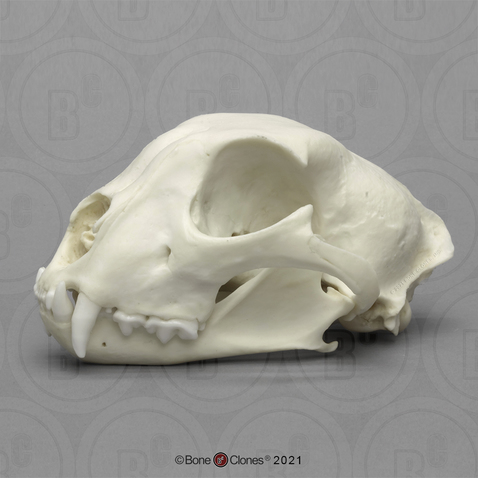
Cheetah Skull
• Notice how big the nasal openings are compared to the rest of the skull. Cheetahs need a huge amount of oxygen during a sprint.
• The eyes face forward instead of sideways. That helps with depth perception while chasing prey.
• These long canine teeth are used for gripping prey and delivering a quick throat bite.
• The cheek teeth act like scissors for slicing meat quickly before larger predators steal the kill.
• Compared to lions or hyenas, the jaw is much narrower and less powerful.
• Cheetahs are built for speed instead of strength, so their skull is lighter and more streamlined.
• Hyenas can crush bone, but cheetahs usually avoid fighting over carcasses.
• Almost every part of the skull is adapted for fast hunting and quick reactions.
• Even the lightweight structure helps reduce weight during high-speed chases.
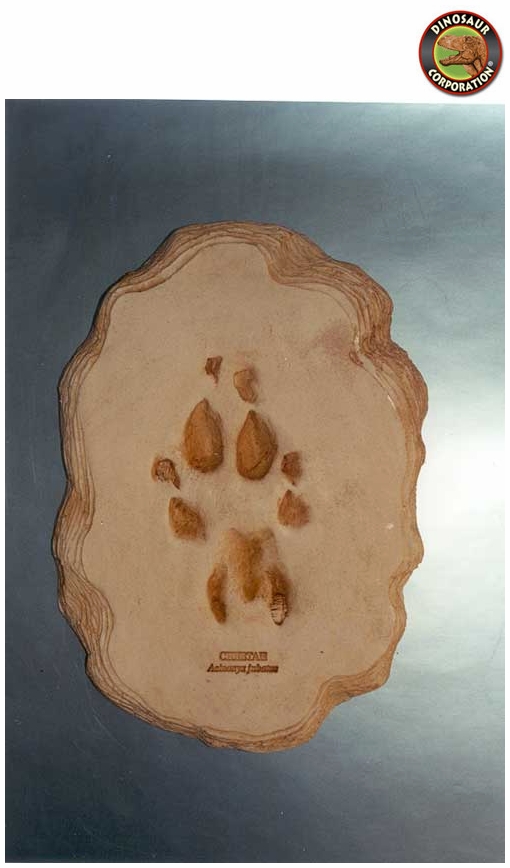
Footprint
• Cheetah tracks look different from most cats because their claws are usually visible in the print.
• Unlike lions or house cats, cheetahs cannot fully retract their claws.
• Those exposed claws act like running cleats, helping provide traction during high-speed chases.
• The foot pads help absorb shock while sprinting and turning quickly.
• Cheetahs rely on grip and balance more than strength during a hunt.
• Their long tail also helps counterbalance sharp turns while chasing prey.
• Cheetah tracks are usually more oval-shaped and streamlined than the broader tracks of lions.
• Scientists can use footprints like these to help identify animal movement and behavior in the wild.
• Looking at the size of the print, would you expect this animal to rely more on stealth, strength, or speed?
• Even the feet are specialized for acceleration and rapid direction changes.
Encyclopedia
Introduction
The cheetah (Acinonyx jubatus) is a large cat native primarily to the grasslands and savannas of sub-Saharan Africa. It is best known as the fastest land animal on Earth and is highly specialized for speed and daytime hunting. Unlike lions, leopards, and tigers, cheetahs rely on acceleration, agility, and pursuit rather than strength or ambush hunting. Their slim body, long legs, flexible spine, and semi-retractable claws allow them to reach speeds of up to 70 miles per hour during short chases. Historically, cheetahs ranged across much of Africa, the Middle East, and parts of Asia, including India. Habitat loss, declining prey populations, human-wildlife conflict, and illegal wildlife trade have caused major population declines across their range. Modern wild populations are fragmented, and fewer than 7,000 individuals are believed to remain in the wild.
Physical Appearance
Cheetahs are slender, lightweight cats built specifically for speed. Adults typically measure between 3.6 and 4.9 feet in body length, excluding the tail, which may add an additional 24 to 31 inches. Males are generally larger than females and may weigh between 46 and 159 pounds. Their body structure emphasizes rapid acceleration and maneuverability rather than climbing ability or raw strength. The coat is tawny or golden-yellow and covered with small black spots that provide camouflage in grasslands and dry vegetation. Distinctive black tear markings run from the eyes to the mouth and help reduce glare while hunting during the day. Unlike most cats, cheetahs possess semi-retractable claws that remain partially exposed, providing traction during high-speed pursuits.
Adaptations for Speed
The cheetah is one of the most specialized mammalian sprinters in the world. Their flexible spine allows the body to stretch and compress dramatically while running, increasing stride length and acceleration. Cheetahs may cover more than 20 feet in a single stride during full-speed chases. Enlarged lungs, large nasal passages, and a powerful heart help deliver oxygen rapidly during intense physical exertion. Their long muscular tail acts as a stabilizing rudder during sharp turns, allowing them to maintain balance while pursuing fast-moving prey. Although capable of remarkable speed, cheetahs can only sustain these sprints for short periods before overheating and becoming exhausted.
Hunting and Diet
Cheetahs are carnivorous predators that primarily hunt small to medium-sized ungulates such as gazelles, impalas, springbok, and young antelope. They may also prey on hares, birds, and warthog piglets. Unlike many other large cats, cheetahs are mainly diurnal hunters and are most active during the daytime. Hunting during daylight helps reduce encounters with larger nocturnal predators such as lions and hyenas. Cheetahs rely heavily on eyesight while hunting and typically stalk prey quietly before launching a rapid chase. Once close enough, they trip prey using their paws before delivering a suffocating throat bite. After a chase, cheetahs often require several minutes of rest before feeding, leaving them vulnerable to scavengers and larger predators that frequently steal their kills.
Communication and Behavior
Cheetahs differ socially from many other big cats. Adult females are usually solitary except when raising cubs, while males often form small social groups known as coalitions. These coalitions commonly consist of brothers that remain together after leaving their mother. Males may defend territories using scent marking and vocalizations. Cheetahs communicate through purring, chirping, growling, hissing, and body posture. Unlike lions and tigers, cheetahs cannot roar because they possess a rigid hyoid bone rather than the flexible structure found in roaring cats. Their behavior generally emphasizes avoidance of conflict with larger predators rather than direct competition.
Habitat and Range
Cheetahs primarily inhabit open grasslands, savannas, scrublands, and semi-arid regions where visibility allows them to detect prey at long distances and use speed effectively. Significant populations remain in countries such as Namibia, Botswana, Kenya, and South Africa. Small and critically endangered populations also survive in North Africa and Iran. Because cheetahs require extensive territories and healthy prey populations, habitat fragmentation caused by agriculture, roads, fencing, and human development continues to threaten long-term population stability.
Reproduction and Cubs
Female cheetahs usually give birth to three to five cubs following a gestation period of approximately 90 to 95 days. Cubs are born blind and remain hidden in sheltered dens during early development. Young cubs possess a long gray mantle of fur along their backs that may help camouflage them by resembling honey badgers, animals often avoided by predators. Mothers frequently move cubs between dens to reduce the risk of predators discovering them. Cubs begin following their mother to kills after weaning at around three months of age and gradually learn hunting and survival behaviors. Mortality rates among cubs are extremely high due to predation from lions, hyenas, and leopards.
Conservation Challenges
Cheetahs face numerous threats in the wild, including habitat destruction, declining prey populations, illegal wildlife trade, and human-wildlife conflict. Farmers may kill cheetahs in retaliation for livestock predation, while habitat fragmentation isolates populations and reduces genetic diversity. Cheetahs also experienced a major genetic bottleneck approximately 10,000 years ago, when the global population drastically declined and only a small number of individuals survived. Because modern cheetahs descended from this limited population, they possess unusually low genetic diversity compared to most other mammals. This reduced genetic variation increases vulnerability to disease, may negatively affect reproductive success, and limits the species’ ability to adapt to environmental change.
Conservation Efforts
Conservation organizations across Africa and around the world are working to protect cheetah populations and restore habitat connectivity. Protected reserves and wildlife corridors help maintain prey populations and allow movement between fragmented habitats. Organizations such as the Cheetah Conservation Fund support scientific research, anti-poaching efforts, habitat restoration, and community education programs. Some conservation programs also train livestock guardian dogs to help farmers protect livestock without harming predators. Captive breeding programs coordinated through Species Survival Plans attempt to preserve genetic diversity within zoo populations and support long-term conservation goals.
Ecological Importance
As predators, cheetahs play an important ecological role by helping regulate herbivore populations within grassland and savanna ecosystems. Their presence influences prey behavior and contributes to ecosystem balance. Because protecting cheetah habitat also protects many other species that share the same environment, cheetahs are considered an important umbrella species for conservation across African grassland ecosystems.
Sources
IUCN Red List https://www.iucnredlist.org/
Cheetah Conservation Fund https://cheetah.org/
Smithsonian National Zoo https://nationalzoo.si.edu/
San Diego Zoo Wildlife Alliance https://animals.sandiegozoo.org/
Proceedings of the National Academy of Sciences (PNAS) https://www.pnas.org/
Lasted Updated
