
Komodo Dragon
Forest Passage
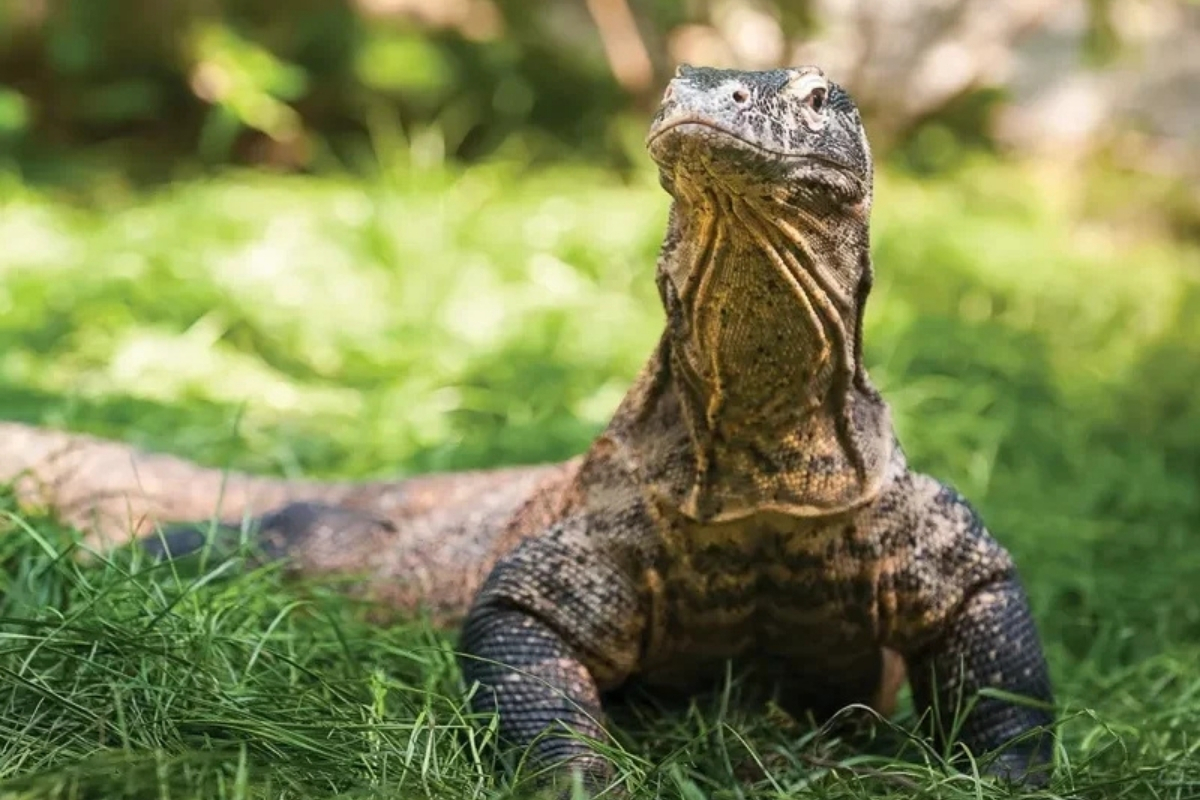
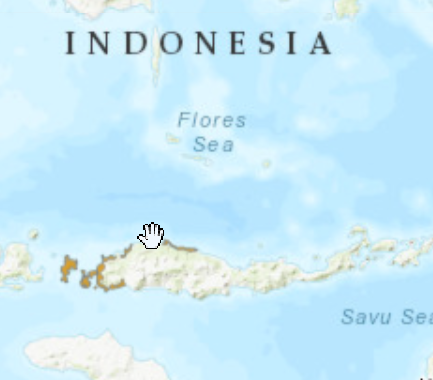
The Komodo dragon (Varanus komodoensis), the largest living lizard on Earth, is an awe-inspiring predator native to the Indonesian islands of Komodo, Flores, Padar, and Rinca. Known for their sheer size, , and deadly hunting strategies, these reptiles have captured the fascination of scientists and tourists alike. With their powerful build, venomous bite, and an ability to thrive in harsh environments, Komodo dragons are both a symbol of raw nature and a critical species in understanding the ecosystems of their remote island habitats. Today, they are not only icons of biodiversity but also integral to local culture and economy, as efforts to conserve their populations coincide with booming eco-tourism.
Basic Information
Largest Lizard: Komodo dragons are the largest living lizards, reaching up to 10 feet long and over 300 pounds.
Venomous Bite: Scientists now know Komodo dragons possess venom that lowers blood pressure and prevents blood clotting.
Excellent Hunters: Use camouflage, powerful jaws, serrated teeth, and venom to ambush prey.
Super Smell: Their forked tongue can detect carrion from over 2 miles away.
Island Giants: Found naturally on only a few Indonesian islands, including Komodo and Rinca.
Cannibalistic Behavior: Adult dragons sometimes eat juveniles, causing young dragons to spend time hiding in trees.
Powerful Swimmers: Strong enough to swim between islands in search of food or territory.
Efficient Feeders: Can consume nearly an entire carcass, including bones, hide, and hooves.
Ancient Lineage: Komodo dragons are monitor lizards and represent one of the closest living examples of giant prehistoric reptiles.
Climate Threat: Rising sea levels threaten the small islands where Komodo dragons live.
Conservation Success: Protected areas and eco-tourism have helped stabilize some populations.
Guest Connection: Supporting sustainable tourism and habitat conservation helps protect Komodo dragons and their island ecosystems.
Humans travel halfway across the planet to safely photograph the exact animal evolution designed to make primates nervous.
Komodo dragons are believed to have swum to these islands millions of years ago when they were much closer to Australia.
Habitat: Found in tropical savanna forests, grasslands, and dry scrublands on the islands of Komodo, Flores, Padar, and Rinca in Indonesia.
Prefer hot, dry climates with temperatures ranging from 77°F to 95°F (25°C to 35°C).
Often found near coastal areas and beaches but can also be seen in lowland forests and mangroves.
Use burrows for shelter from extreme daytime heat; females also use them as nesting sites.
Breeding Season: Breed between May and August; eggs are typically laid in September.
Incubation: Approximately 230 days.
Maturity: Reach sexual maturity between 5 and 10 years old.
Mating Rituals: Males wrestle upright using their tails for support and forearms to throw opponents to the ground.
The loser usually retreats or remains motionless.
Courtship begins with the male flicking his tongue along the female’s snout and body.
Egg-Laying: Females lay eggs in dug burrows or abandoned Megapode bird nests, which may reach 3 feet high and 9 feet long.
Eggs are laid in September to avoid the hottest part of summer.
Parental Care: Females remain near the nest during incubation but do not care for hatchlings after they emerge.
Hatching: Hatchlings weigh less than 3.5 ounces and are about 15 inches long.
Young are fully independent immediately after hatching.
Nothing says “good luck out there” like being born into a world with giant cannibal lizards and getting zero parenting five minutes later.
Adults — monkeys, rodents, goats, deer, wild boar and other dragons
Zoo: Rodents, horse meat
Largest Monitor Lizard: Can reach up to 10 feet in length and weigh 300 pounds.
Vision: Excellent eyesight allows them to detect moving objects up to 1,000 feet away.
Their retinas contain only cones, allowing color vision but poor sight in dim light.
Hearing: Have a limited hearing range and cannot detect very low- or high-pitched sounds.
Smell: Their primary method of finding food.
A long, forked tongue samples the air and delivers scent particles to the Jacobson’s organ in the roof of the mouth.
This system helps them detect carrion from up to 5 miles away.
Swimming Ability: Skilled swimmers that hunt in coastal waters and surf for birds and fish.
Hunting Strategy: Ambush prey at close range using rapid bursts of speed, powerful muscles, sharp claws, and serrated teeth.
Efficient Feeding: Can consume up to 88% of a carcass, including bones, hooves, hide, and intestines.
These things are basically built like a prehistoric survival game boss that accidentally wandered into the modern world and refused to leave.
Solitary Lifestyle: Komodo dragons are mostly solitary, gathering mainly for mating or feeding on large carcasses.
Territorial Behavior: Males are highly territorial and engage in fierce wrestling matches while standing on their hind legs to establish dominance.
Daily Activity: Primarily active during the day, though they may show nocturnal behavior during cooler weather.
Burrowing: Spend much of their time in burrows to regulate body temperature and avoid extreme heat.
Ambush Hunting: Use stealth and patience to surprise prey with rapid, powerful attacks.
Feeding Hierarchy: Dominant dragons eat first at carcasses, with smaller individuals waiting or risking attack.
Cannibalism: Larger dragons may prey on juveniles and smaller adults.
Swimming Ability: Strong swimmers capable of traveling between islands in search of food or territory.
Temperature Regulation: Bask in sunlight when cool and retreat to shade or burrows during intense heat.
Vocalizations: Usually silent but may hiss or grunt when threatened or fighting.
Energy Efficiency: Can survive long periods without food by relying on stored fat reserves.
Juvenile Survival: Young dragons often climb trees to avoid predators, including adult Komodo dragons.
Some juveniles roll in fecal material to disguise their scent from larger dragons.
Speed and Defense: Juveniles can reach speeds of 15 mph.
When threatened, they may vomit stomach contents to reduce weight and escape more quickly.
Imagine evolving in an ecosystem where your survival strategy includes “cover yourself in poop so your relatives don’t eat you.” Nature remains deeply committed to psychological warfare.
Venomous Bite: Venom prevents blood clotting and lowers blood pressure, weakening prey after a bite.
Powerful Teeth: Sharp, serrated teeth are designed to slice through flesh and remove large chunks of meat.
Camouflage: Dull brown and gray coloration helps them blend into dry grasslands and forest environments during ambush hunts.
Enhanced Smell: Their forked tongue and Jacobson’s organ allow them to detect prey or carrion from over 2 miles away.
Rapid Digestion: Strong stomach acids digest nearly every part of a carcass, including bones, hooves, and hide.
Resilient Skin: Thick skin reinforced with small bony plates, called osteoderms, provides protection during fights and feeding.
Prehistoric tank lizard equipped with venom, armor plating, and a chemical tracking system. Humans looked at this and thought, “tourist attraction.”
Predators: Adult Komodo dragons have few natural predators.
Juveniles may be preyed upon by birds of prey, snakes, wild pigs, civets, and larger Komodo dragons.
Prey: Hunt deer, wild pigs, monkeys, goats, birds, reptiles, water buffalo, and carrion.
Juveniles feed on insects, eggs, rodents, and small reptiles.
Habitat Loss: Human settlement, agriculture, road construction, and deforestation continue to reduce and fragment habitat on the islands where Komodo dragons live.
Climate Change: Rising sea levels and changing temperatures threaten their already limited island habitat.
Prey Depletion: Overhunting of deer, wild pigs, and other prey species by humans reduces food availability.
Human-Wildlife Conflict: Komodo dragons sometimes prey on livestock, leading to retaliation from farmers and local communities.
Illegal Poaching: Although uncommon, Komodo dragons may still be targeted by the illegal wildlife trade.
Tourism Impact: Poorly managed tourism can disturb nesting sites, feeding behavior, and natural movement patterns.
Small Geographic Range: Because Komodo dragons are found on only a few Indonesian islands, natural disasters or major environmental changes could heavily impact the entire species.
Scavenger: Cleans up carrion and dead animals, helping recycle nutrients back into the environment.
Supports Biodiversity: By regulating prey populations, Komodo dragons help prevent overgrazing and support healthier plant and animal communities.
Keystone Species: Plays a critical role in maintaining ecosystem structure and stability on the islands where it lives.
Ecosystem Health Indicator: Healthy Komodo dragon populations often reflect healthy prey populations and intact habitats.
Entire island ecosystems basically organized around one giant venomous lizard acting as both predator and cleanup crew. Efficient, horrifying, effective.
Protected Areas: Komodo dragons are protected within Komodo National Park and surrounding reserves in Indonesia.
Anti-Poaching Efforts: Strong laws, ranger patrols, and wildlife monitoring help prevent illegal hunting and trade.
Habitat Protection: Conservation programs focus on protecting forests, savannas, nesting areas, and coastal habitats across the islands.
Community Engagement: Local communities participate in eco-tourism, conservation education, and sustainable resource management.
Monitoring and Research: Scientists track population numbers, nesting success, habitat use, and environmental threats.
Climate Change Adaptation: Habitat restoration and long-term monitoring help prepare for rising sea levels and changing environmental conditions.
Eco-Tourism Importance: Komodo dragons are a major eco-tourism attraction, supporting local economies and increasing conservation awareness.
Protect Local Habitats: Support organizations like Allegheny Land Trust and Tree Pittsburgh that protect forests, parks, and wildlife habitats.
Plant Native Species: Native plants help support local birds, pollinators, and biodiversity.
Support Green Projects: Advocate for programs like the Pittsburgh Greenways Program that preserve urban green spaces and wildlife corridors.
Protect Forests and Farmland: Volunteer with or donate to conservation groups that protect Pennsylvania’s natural landscapes.
Reduce Carbon Footprint: Use public transit, bike trails, and energy-efficient practices to reduce environmental impact.
Avoid Feeding Wildlife: Feeding wild animals can lead to dangerous human-wildlife conflicts and unhealthy animal behavior.
Secure Trash and Food Waste: Proper disposal of trash helps prevent wildlife from becoming dependent on human food sources.
Humans create the trash problem, then buy “wildlife-proof” garbage cans to stop raccoons from exploiting the buffet we invented. Conservation is often just damage control with better branding.
Historical Use:
Indonesian leaders historically sent outcasts to the islands, knowing the Komodo dragons would kill most.
A small colony of descendants of these outcasts still lives on the islands, where tourism has now become a major industry.
Lethal Bite:
Komodo dragons were once believed to kill mainly through bacteria-filled bites caused by meat residue trapped between their serrated teeth. While bacteria are still present, scientists now know Komodo dragons also possess venom glands in their lower jaws.
Their venom contains anticoagulants and compounds that lower blood pressure, causing rapid blood loss, shock, and weakness in prey. Combined with deep tearing bites from their serrated teeth, this makes Komodo dragons highly effective predators. Humanity spent decades blaming “dirty mouths” when the real answer was basically “venomous land crocodile.”
Encyclopedia
Komodo Dragon
Komodo dragons (Varanus komodoensis) are the largest living lizards in the world and among the most formidable reptilian predators on Earth. Native to a small group of Indonesian islands including Komodo, Rinca, Flores, Gili Motang, and Padar, these massive monitor lizards occupy a unique ecological niche as apex predators within dry tropical savanna and monsoon forest ecosystems. Adult Komodo dragons can exceed 10 feet (3 meters) in length and weigh more than 150 pounds (68 kilograms), though exceptionally large individuals may surpass these measurements. Their immense size, serrated teeth, powerful limbs, and highly specialized sensory systems make them one of the most evolutionarily distinctive reptiles alive today.
Komodo dragons are members of an ancient lineage of monitor lizards that evolved throughout Australasia and Southeast Asia. Fossil evidence suggests that giant monitor lizards once ranged widely across the region, including Australia, before environmental changes restricted surviving populations to a handful of Indonesian islands. Although historically associated with myths portraying them as primitive “living dinosaurs,” modern research has revealed Komodo dragons to be highly sophisticated predators possessing complex hunting behavior, advanced chemosensory abilities, and venom-producing glands that contribute significantly to prey capture and physiological shock.
Classification and Evolutionary History
Komodo dragons belong to the family Varanidae, the monitor lizards, a highly specialized group of intelligent and active predatory reptiles distributed primarily throughout Africa, Asia, and Australia. Within this family, Varanus komodoensis represents the largest extant species and occupies the upper extreme of monitor lizard evolution. Genetic and fossil evidence suggests that Komodo dragons evolved from giant Australian monitor lizard ancestors that dispersed westward through Indonesia millions of years ago when lower sea levels connected portions of the region.
Unlike many reptiles that rely primarily upon ambush behavior, monitor lizards evolved highly active predatory lifestyles characterized by advanced sensory systems, elevated metabolism relative to most reptiles, and considerable behavioral complexity. Komodo dragons exhibit several characteristics convergent with mammalian carnivores, including long-distance tracking ability, cooperative feeding hierarchies, and sophisticated prey detection through airborne chemical cues.
Komodo dragons are the only surviving giant apex predators within their island ecosystems. Their isolation on a small number of islands has contributed to both their ecological specialization and their vulnerability to environmental disturbance, climate change, and habitat fragmentation.
Physical Characteristics
Komodo dragons possess robust muscular bodies covered in rough osteoderm-reinforced scales that provide substantial protection during territorial disputes and feeding interactions. Adults typically range from 6 to 10 feet (1.8 to 3 meters) in length, with males generally larger than females. Their heavy limbs terminate in powerful claws used for digging, climbing, prey restraint, and combat. Juveniles possess proportionally lighter bodies and are considerably more arboreal than adults, often climbing trees to avoid predation from larger dragons.
One of the most distinctive anatomical features of Komodo dragons is their elongated skull equipped with recurved, serrated teeth resembling those of predatory sharks. These teeth are designed not for crushing but for slicing flesh and inflicting massive tissue damage. Recent research has demonstrated that Komodo dragons possess venom glands within the lower jaw that secrete compounds contributing to anticoagulation, blood pressure reduction, shock induction, and inhibition of blood clotting in prey animals. Earlier theories suggesting that prey died primarily from bacterial infection associated with dragon saliva have largely been replaced by evidence demonstrating the major physiological role of venom during predation.
Komodo dragons possess highly developed chemosensory abilities and use deeply forked tongues to collect airborne scent particles, which are transferred to the Jacobson’s organ located within the roof of the mouth. This system allows dragons to detect carrion or injured prey from distances exceeding several miles under favorable wind conditions. Their sense of smell is extraordinarily refined, while vision and hearing are somewhat more limited compared to mammalian predators.
Habitat and Behavior
Komodo dragons inhabit dry tropical savannas, monsoon forests, coastal scrublands, and open grasslands across several Indonesian islands within the Lesser Sunda chain. These environments experience extreme seasonal variation, including prolonged dry periods, intense heat, and limited freshwater availability. Dragons frequently shelter within burrows excavated using their powerful claws, helping regulate body temperature and reduce water loss during the hottest parts of the day.
Adult Komodo dragons are primarily terrestrial, though juveniles are highly arboreal and spend much of their early life in trees to avoid cannibalism from larger individuals. Dragons are generally solitary outside of breeding and feeding interactions, though multiple individuals may gather opportunistically around carcasses. Dominance hierarchies become especially apparent during feeding, with larger males typically gaining priority access to food resources through ritualized aggression and intimidation displays.
Komodo dragons are ambush predators capable of sudden explosive acceleration despite their massive size. They prey upon a wide range of animals including deer, wild pigs, water buffalo, birds, reptiles, and carrion. Hunting strategies vary according to prey size and opportunity. Smaller prey may be seized and swallowed rapidly, while larger prey are often attacked through deep lacerating bites intended to induce blood loss, physiological shock, and exhaustion. Dragons may follow wounded prey for extended periods using scent trails before feeding once the animal weakens or dies.
Although generally considered solitary hunters, Komodo dragons display surprisingly complex feeding interactions. Multiple dragons may feed simultaneously on large carcasses according to size-based social hierarchies. Juveniles often avoid adults during feeding events because cannibalism is relatively common within the species, particularly during periods of limited food availability.
Reproduction and Development
Komodo dragons typically breed during the dry season, with males engaging in ritualized combat competitions for access to females. Rival males rear upright and grapple using their forelimbs in contests of strength and dominance. Following successful mating, females lay clutches of approximately 15 to 30 eggs within nesting burrows or abandoned megapode bird nests, which provide stable thermal conditions for incubation.
Incubation lasts approximately seven to eight months, after which hatchlings emerge during periods of increased insect abundance. Juvenile dragons are highly vulnerable to predation from birds, mammals, snakes, and adult Komodo dragons. As a result, young dragons spend much of their early life within trees, feeding on insects, small reptiles, eggs, and small vertebrates before gradually transitioning toward larger prey as body size increases.
One of the most unusual aspects of Komodo dragon reproduction is their ability to reproduce through parthenogenesis, a form of asexual reproduction in which females can produce offspring without fertilization by males. This adaptation may provide reproductive advantages within isolated island populations where mates are scarce. However, offspring produced through parthenogenesis possess reduced genetic diversity because they inherit genetic material from only the mother.
Natural Predators and Mortality
Adult Komodo dragons possess few natural predators due to their enormous size and apex predatory status. Juveniles, however, face substantial predation pressure from birds of prey, snakes, feral dogs, civets, and adult dragons. Cannibalism represents one of the most significant mortality factors for younger individuals, strongly influencing juvenile behavior and arboreal lifestyle.
Despite their dominance within native ecosystems, modern threats increasingly stem from human-associated factors including habitat disturbance, reduction of prey populations, tourism pressure, and climate-driven habitat alteration. Rising sea levels also pose long-term risks because many Komodo dragon habitats occur on low-lying islands vulnerable to environmental change.
Ecological Importance
Komodo dragons function as apex predators and scavengers within island ecosystems, helping regulate prey populations and remove carrion from the environment. Their feeding behavior contributes to nutrient cycling and influences the structure of prey communities throughout their range. Because few other large predators exist within these islands, Komodo dragons occupy a disproportionately important ecological role.
As apex predators, Komodo dragons also function as indicator species reflecting the health of island ecosystems. Declines in prey populations, habitat quality, or environmental stability often affect dragon populations directly. Protecting Komodo dragons therefore also preserves broader ecological communities including deer, birds, smaller reptiles, and native vegetation systems dependent upon stable ecosystem processes.
Evolutionary and Scientific Importance
Komodo dragons are of major scientific interest because they represent the final surviving lineage of giant monitor lizards that once occupied much larger portions of Australasia. Their physiology, venom system, sensory biology, and predatory strategies provide important insights into reptilian evolution and island gigantism. Research on Komodo dragon venom has also contributed to broader understanding of reptile venom evolution and potential biomedical applications involving anticoagulants and cardiovascular physiology.
The species has additionally challenged older scientific assumptions regarding reptilian cognition and behavior. Studies demonstrate that monitor lizards, including Komodo dragons, possess relatively advanced problem-solving ability, spatial memory, and behavioral flexibility compared to many other reptiles.
Cultural Significance
Within Indonesia, Komodo dragons hold deep cultural and symbolic significance. Local folklore often portrays dragons as ancestral relatives, guardians, or spiritually important animals associated with the islands they inhabit. Traditional stories from Komodo Island describe mythical kinship between humans and dragons, reinforcing cultural attitudes emphasizing coexistence and respect.
Historically, the islands occupied by Komodo dragons also developed reputations as isolated and dangerous places. Folklore and historical accounts describe exiles and outcasts being sent to dragon-inhabited islands, contributing to the species’ long-standing association with danger and survival. In modern times, Komodo dragons have become internationally recognized conservation icons and major drivers of ecotourism within Indonesia.
Disease and Human-Associated Threats
Human activity represents the greatest long-term threat to Komodo dragon populations. Habitat fragmentation, reduction of prey species, illegal hunting, tourism pressure, and climate change all threaten population stability. Rising sea levels pose a particularly serious concern because many dragon habitats occur on small islands vulnerable to coastal inundation and ecosystem disruption.
Human-dragon conflict occasionally occurs near settlements or livestock areas, though attacks on humans remain relatively uncommon. Increased human presence may also alter dragon behavior and movement patterns, especially in heavily visited ecotourism regions.
Conservation Status and Efforts
Current Threats
Komodo dragons are currently classified as Endangered due to their restricted range and increasing environmental pressures. Habitat loss, prey decline, human disturbance, climate change, and sea level rise threaten long-term population viability across their limited island distribution. Because populations are geographically isolated, localized environmental disasters or ecological changes may have substantial impacts.
Climate change represents one of the most significant emerging threats because rising temperatures and changing precipitation patterns may alter habitat suitability and prey availability. Sea level rise may also reduce nesting habitat and fragment already restricted populations further.
Conservation Organizations and Protection
Komodo dragons receive legal protection through Indonesian national law and international conservation agreements. Komodo National Park, established in 1980 and designated as a UNESCO World Heritage Site, protects much of the species’ remaining habitat. Conservation programs focus on habitat preservation, prey monitoring, anti-poaching enforcement, ecological research, and sustainable ecotourism management.
Researchers continue studying dragon population dynamics, reproductive biology, movement ecology, and climate vulnerability in order to guide long-term conservation planning. Community-based conservation programs also work with local residents to promote sustainable coexistence between human communities and dragon populations.
Role of Zoological Institutions
Accredited zoological institutions contribute to Komodo dragon conservation through managed breeding programs, veterinary research, public education, and financial support for field conservation efforts. Zoo populations provide valuable opportunities to study physiology, venom biology, behavior, and reproduction under controlled conditions.
Educational programs involving Komodo dragons frequently emphasize island ecology, apex predator dynamics, reptile evolution, and the importance of biodiversity conservation. Because of their immense size and prehistoric appearance, Komodo dragons often serve as highly effective ambassadors for reptile conservation more broadly.
Conservation Action
Individuals can support Komodo dragon conservation by supporting accredited zoos and conservation organizations, promoting sustainable ecotourism practices, reducing climate impacts, and increasing public awareness regarding island ecosystem conservation. Protecting habitat and prey populations remains essential for ensuring the long-term survival of Komodo dragons in the wild.
The continued survival of Komodo dragons depends upon international cooperation, habitat protection, scientific research, and effective management of fragile island ecosystems. Protecting these remarkable reptiles also safeguards one of the world’s most unique evolutionary lineages and the broader ecological communities that depend upon the islands they inhabit. References
Lasted Updated
