
Masai Giraffe


  • African Savanna
Back to Animals
News
Individuals
Basic Info
Guide
Biofacts
Encyclopedia

The Masai giraffe (Giraffa tippelskirchi), one of the nine recognized subspecies (see notes) of giraffes, is known for its distinctive oak-leaf patterned spots and towering stature. Native to the savannas and woodlands of central and southern Kenya and Tanzania, the Masai giraffe is the tallest subspecies, with males reaching heights of up to 19 feet. As herbivores, they primarily feed on leaves, twigs, and flowers, often relying on their long necks and prehensile tongues to access vegetation that other species cannot. Despite their iconic status, Masai giraffes face numerous threats, including predation by lions and hyenas, habitat loss, and poaching. Conservation efforts are essential to protect this majestic species and its delicate role in the ecosystem.
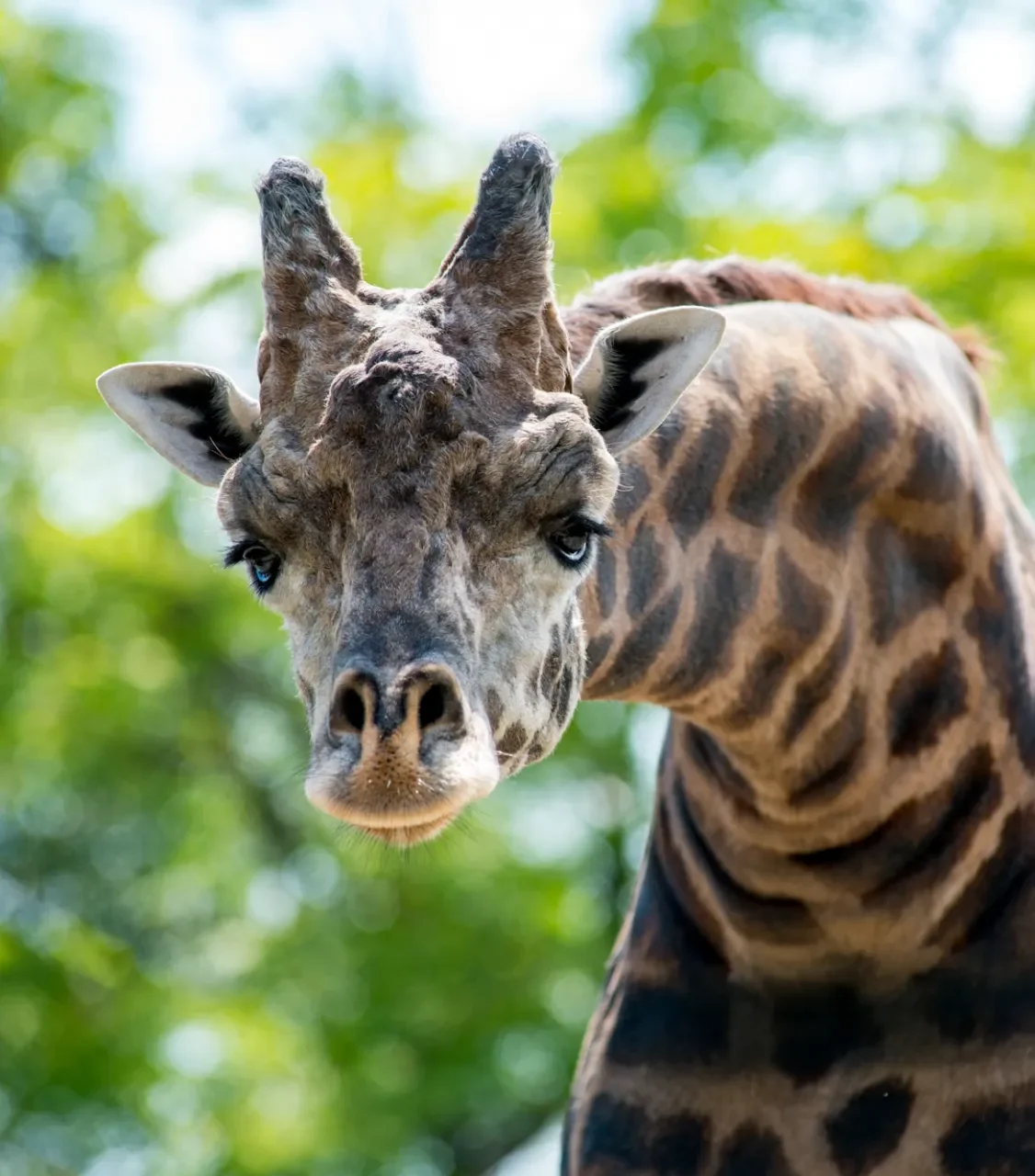
Sox was euthanized in Jan 2025 due to a degenerative bone disease
Lewis 
Male • 20 yrs 1 mos
Born: Los Angeles Zoo
Date In: 06/05/2017

Gone or Moved
Sox was euthanized in Jan 2025 due to a degenerative bone disease
Lewis loves new and unusual scents. According to his keeper, if the keeper changes deodorant or introduces a new smell, Lewis will repeatedly come over to investigate throughout the day. This natural curiosity is used as a form of enrichment.
Paper towels scented with citrus and vanilla, hidden inside a perforated PVC pipe.

Basic Information

Dark Tongue: Their tongues are dark bluish-black, possibly to prevent sunburn as they spend long hours feeding under the sun.
Distinctive Features: Known for oak-leaf patterned spots, which help with camouflage and social identification. They are the tallest subspecies of giraffe, with males reaching up to 19 feet in height.
Indicator Species: The health of giraffe populations can reflect the overall well-being of the ecosystem, making them important indicators of ecological health.
Vertebrae: Have the same seven vertebrae as other mammals, but these are greatly elongated.
Neck and Heart Adaptations: A giraffe’s neck and heart contain specialized pumping systems that prevent blackouts when raising their head to eat.
Large Heart: The giraffe’s heart can weigh up to 25 pounds (11 kilograms) and pump up to 20 gallons (75 liters) of blood per minute.
Speed: Giraffes can run at speeds of up to 34 miles per hour.
Water Needs: Can go weeks without drinking water.
Ancient Relatives: Fossils from early giraffe ancestors have been discovered in Greece, Spain, Hungary, India, China, Japan, and Africa.
Major Threats: Habitat loss, poaching, and climate change.
Conservation Measures: Protected areas, anti-poaching initiatives, community involvement, and breeding programs help sustain populations.
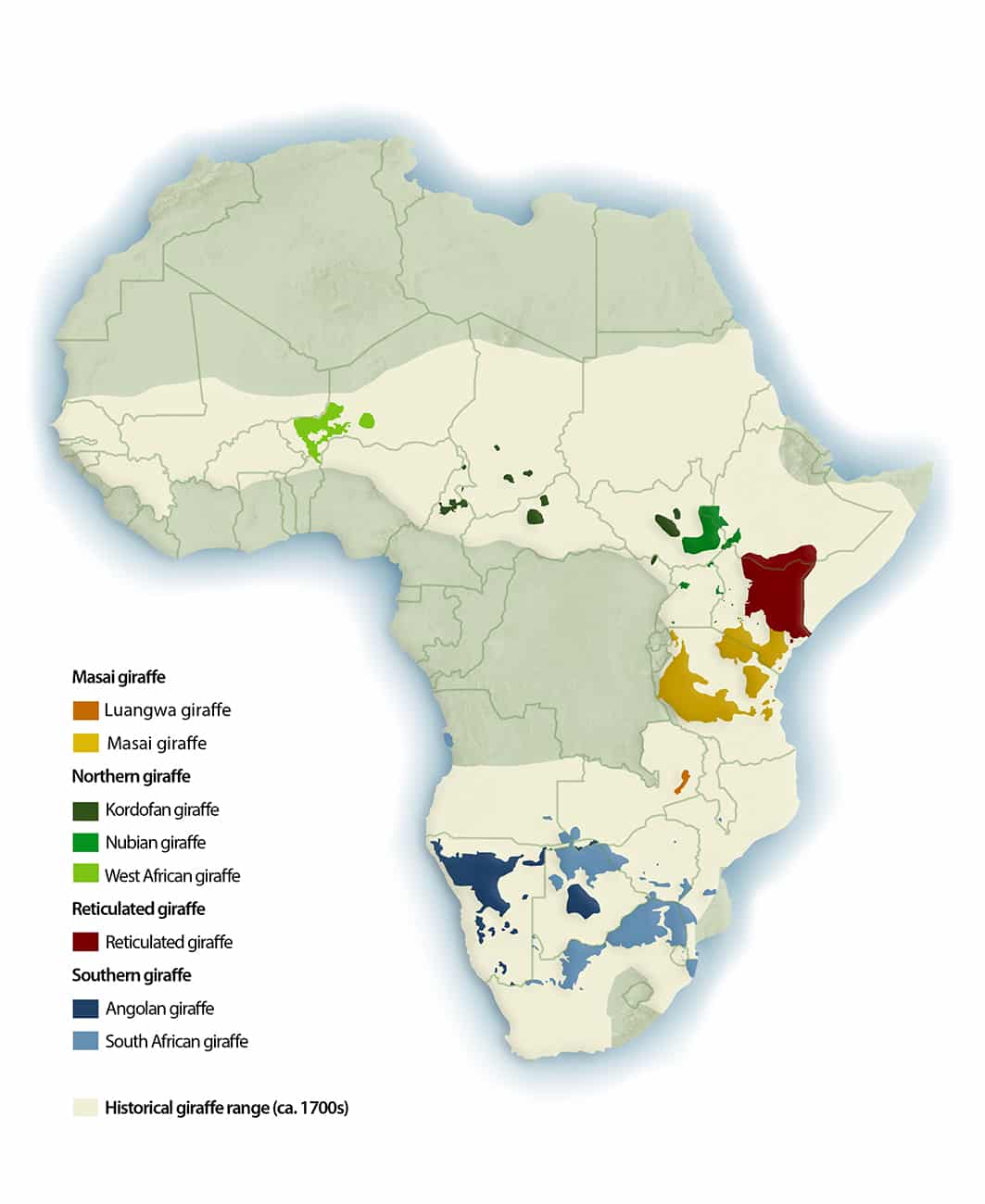
Distribution: Kenya and Tanzania.

Habitat: Found in savannas and open woodlands of central and southern Kenya and Tanzania.
Thrive in acacia woodlands, bushlands, and grasslands where trees and shrubs are abundant, providing their primary food source.
Elevation Range: Adapt to a variety of elevations, from lowland savannas to more hilly landscapes.
Water Source Proximity: Often found near water sources but can survive in arid regions by extracting moisture from their diet.

Males may reach heights of up to 19 feet, while females average 16 feet. Weight: Males typically weigh 2,475-4,275 pounds, and females range from 1,575-2,700 pounds.

Sexual Maturity: Reached at approximately 4 years of age.
Gestation Period: Lasts 14–15 months.
No Seasonal Breeding: Masai giraffes do not have a specific breeding season.
Gestation: A single calf is born after a 14–15 month gestation period.
Calf Size at Birth: Newborns stand approximately 6 feet tall at birth.
Mother-Infant Bonding: During the first month of life, the calf stays closely with its mother.
Afterward, calves join nursery groups supervised by a “babysitter” female.
Nursery Group: Calves may remain in nursery groups for up to one year.
Survival Rate: Approximately 50–75% of calves do not survive their first few months due to predation.

Wild: Typically 20-25 years.
Human Care: Often live into their mid-30s.
Wild Leaves, twigs, sprouts, flowers, fruits, and bark. Acacia trees.
Endangered 2018
45,400; Approximately 123 at AZA zoos

Unique Spots: Masai giraffes are known for their oak-leaf patterned spots.
Tallest Subspecies: The tallest giraffe subspecies, with males reaching up to 19 feet and females averaging around 16 feet in height.
Vertebrae: Have the same seven vertebrae as other mammals, but these are greatly elongated.
Ossicones: Both males and females have 2–5 horn-like structures called ossicones, covered with a thin layer of skin.
Hair Difference: Females typically have thick hair on top of the ossicones, while males are often bald on top.
Tail Length: Their tails can reach up to 8 feet in length.

Social Structure: Masai giraffes are social animals that form loose groups, often numbering up to 20 individuals.
Activity Patterns: Diurnal, with peak feeding periods during the early morning and late afternoon to avoid extreme daytime heat.
Communication: Use subtle body movements, vocalizations, and chemical signals to communicate.
Some sounds are low-frequency and difficult for humans to hear.
Male Competition: Males engage in “necking,” a ritualized form of combat used to establish dominance and gain mating opportunities.
Feeding Schedule: Spend 16–20 hours each day feeding.
Primary Food Source: Frequently feed on whistling-thorn acacia trees, using long tongues and lips to navigate around thorns and strip leaves.
Feeding Differences: Males usually feed from higher branches, while females often feed lower in the trees.

Large Heart & High Blood Pressure: A powerful circulatory system prevents fainting when raising or lowering their head.
Prehensile Tongue & Lips: Long tongues, reaching 18–20 inches, help grasp leaves from thorny trees.
Distinct Spot Patterns: Spot patterns aid in camouflage, thermoregulation, and individual identification.
Long Legs & Specialized Gait: Long legs and a unique pacing gait allow speeds of up to 34 mph.
Efficient Water Use: Can go weeks without drinking water by obtaining moisture from food.
Thick Saliva & Tail: Thick saliva protects the mouth from thorns, while long tails help swat away insects.

Main Predators: Lions, hyenas, and poachers pose the greatest threats to Masai giraffes.
Defense Mechanisms: Their main defenses are speed, height, and powerful kicks capable of seriously injuring or even killing predators such as lions.

Habitat Loss: Human encroachment, agriculture, deforestation, and habitat fragmentation continue to reduce available giraffe habitat.
Poaching: Masai giraffes are hunted for their skin, meat, bones, and tails.
Tail hair is sometimes used for jewelry, while bones are carved into tools and ornaments.
In some regions, false beliefs claim giraffe bone marrow and brains can cure HIV/AIDS, increasing illegal hunting pressure.
Climate Change: Rising temperatures and changing rainfall patterns affect food availability, water sources, and habitat quality.
Longer droughts can reduce the growth of acacia trees and other important food plants.

Humanity looked at a 19-foot-tall leaf-eating giraffe and still decided it needed to be turned into decorative bracelets and fake medicine. Spectacular decision-making as always.

Seed Dispersal: Giraffes help disperse seeds through their droppings, supporting plant growth and regeneration.
Vegetation Control: By browsing on trees such as acacia, giraffes help prevent overgrowth and maintain ecosystem balance.
Grazing Impact: Their feeding behavior creates browsing corridors that can promote plant diversity and habitat health.
Food Source for Predators: Calves and weakened giraffes provide prey for large carnivores such as lions and hyenas.
Indicator Species: Healthy giraffe populations often reflect healthy ecosystems with stable food sources and habitat conditions.

Protected Areas: Wildlife reserves and national parks in Kenya and Tanzania, including Amboseli National Park and Masai Mara National Reserve, help protect Masai giraffes.
Conservation Corridors: Wildlife corridors are being established to allow giraffes to move safely between protected habitats and avoid human settlements.
Anti-Poaching Efforts: Increased ranger patrols and stronger wildlife law enforcement help reduce illegal hunting.
Community Involvement: Local communities and rangers are trained to monitor wildlife and report poaching activity.
Zoo Breeding Programs: Managed breeding programs in zoos help sustain captive populations and support long-term conservation efforts.

Support Local Zoos: Visit and support zoos that contribute to giraffe conservation, research, and public education.

Volunteer Online: Participate in citizen science and wildlife monitoring projects through ZooNiverse and similar conservation programs.
Avoid Wildlife Products: Do not purchase art, jewelry, or souvenirs made from giraffes, elephants, or other endangered animals.
Support ethical, wildlife-friendly products instead.

Other Info: NASA studied giraffes while designing space suits for astronauts.
Because of their long legs and necks, giraffes evolved a natural “anti-gravity suit” that prevents blood from pooling in their legs or causing them to faint when lowering their heads to drink.


Guest Engagement

  • Hair
  • Vertebra
  • Tongue
  • Skull
  • Giraffes actually have short, stiff hair, not soft fur, which helps them stay cool in really hot climates.
  • Their hairs are hollow, which sounds weird but basically helps with insulation and protection.
  • Every giraffe has a totally unique spot pattern, kind of like a fingerprint, so researchers can identify individuals.
  • Those dark patches are not just for looks, they help release heat through blood vessels underneath.
  • The pattern also works as camouflage by breaking up their outline in the wild.
  • Their hair contains natural chemicals that create a strong smell, which likely helps repel insects and prevent infections.
  • People have used giraffe hair in traditional jewelry and cultural items.
  • Scientists study their coat patterns to track populations, behavior, and genetics over time.
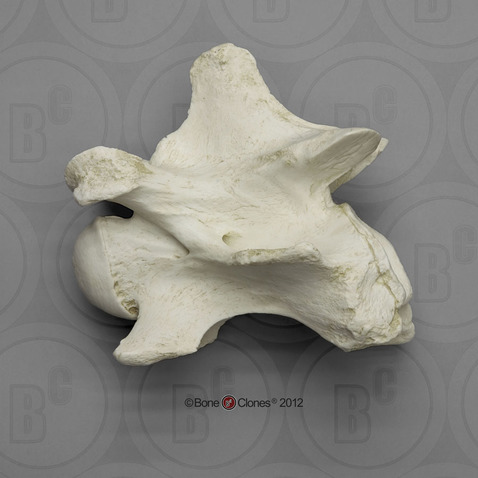
• This is a giraffe neck bone, and they only have seven of these, just like we do.
• Humans have the same bones, but ours are only about 1 to 2 inches tall, this one can be around 11 inches.
• That size difference is what makes their neck so tall.
• You can see how thick and solid it is, it has to support a very heavy head.
• The shape lets it connect to other bones and still move smoothly.
• These joints allow the neck to bend, reach high branches, and swing during fights.
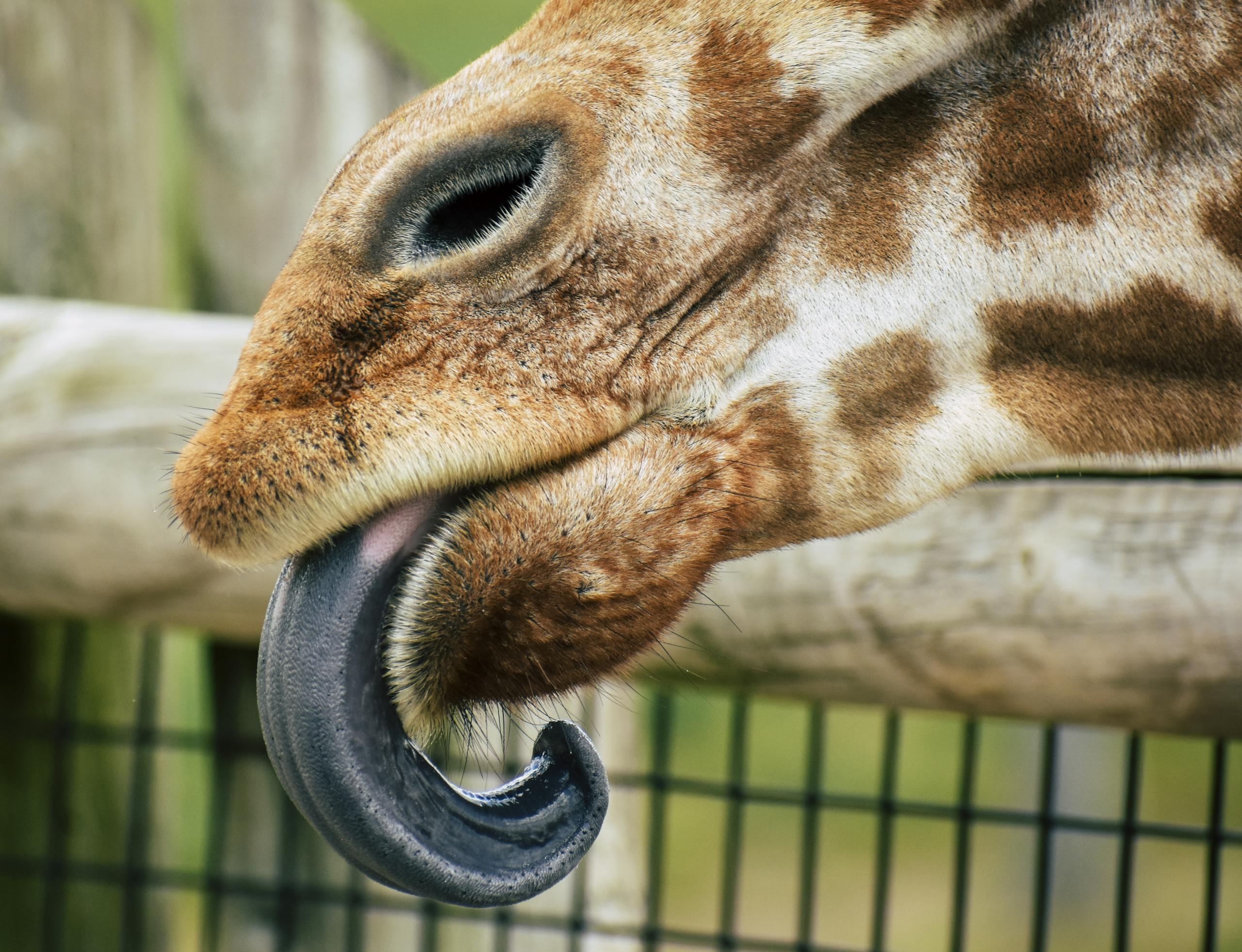
Detailed close-up of a giraffe's face, tongue sticking out in a playful gesture at the zoo.

• This is one of the strangest parts of a giraffe, their tongue can be about 18 to 20 inches long.
• That is longer than most people’s forearm, so you can compare it to your arm.
• Hold your hand out, this is basically how they use it, wrapping it around branches like a grip.
• What do you think would happen if a tongue was out in the sun all day?
• Their tongue is dark purple, which helps protect it from sun exposure.
• How would you grab food from a thorny branch without getting hurt?
• The tongue is tough and covered in thick bumps, which helps protect it from thorns.
• They also produce a lot of saliva, which helps protect and heal small cuts.
• All of this lets them eat up to about 75 pounds of leaves a day.
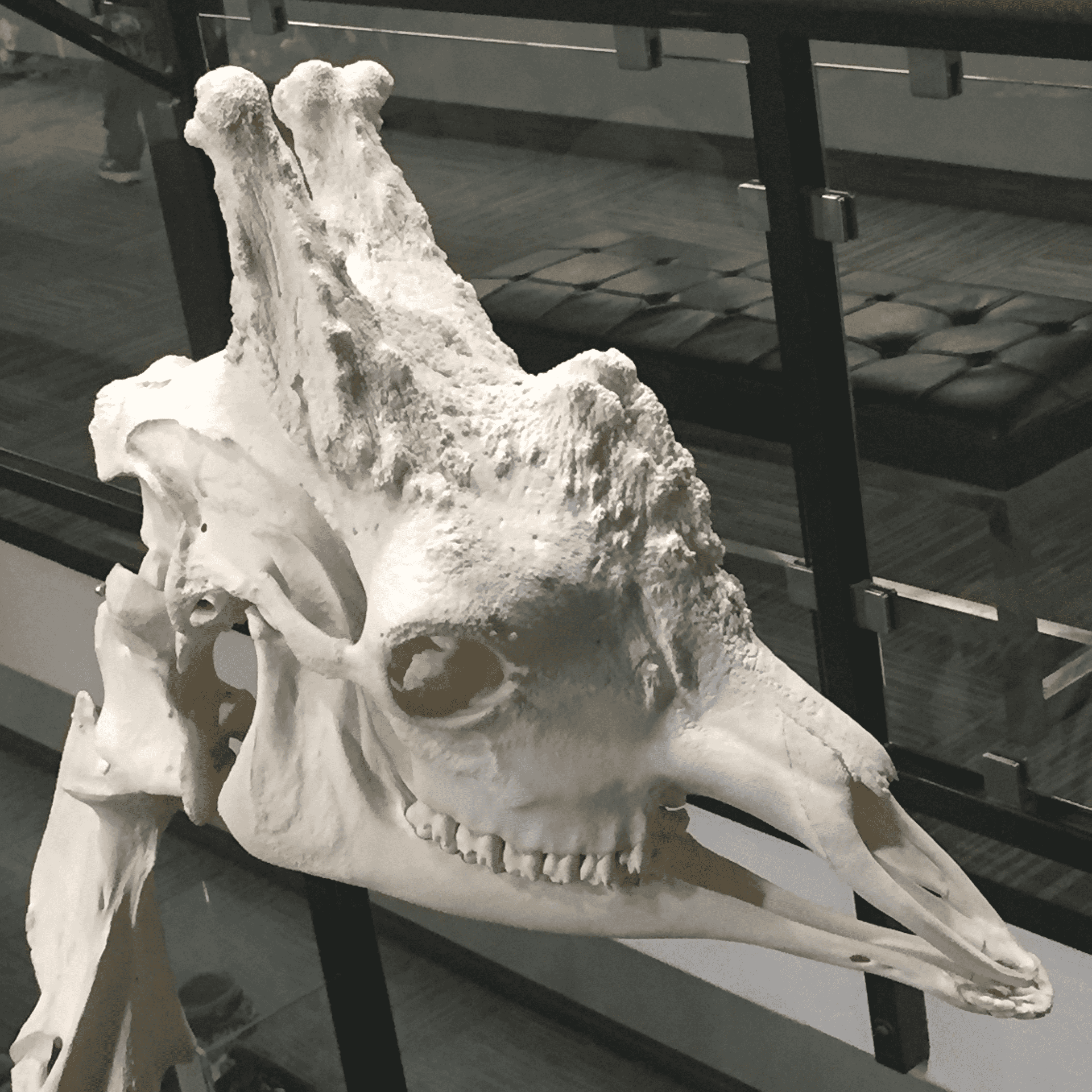
• This is a giraffe skull, and those horn-like bumps are called ossicones, both males and females have them.
• Why do you think males have thicker ones? They actually use them in fights, swinging their heads like hammers.
• The skull is reinforced with thick bone to handle those impacts without damage.
• Even though it is large, parts of the skull are hollow, which helps reduce weight.
• The eye sockets are set wide apart, giving them a huge field of vision to spot predators.
• What do you think they use instead of front teeth to grab leaves?
• They do not have upper front teeth, instead they use a tough dental pad and their tongue to strip leaves.
• Their molars are flat and strong for grinding tough plant material all day.
• Over time those teeth wear down, but they keep growing to keep up with the diet.
• So this skull is built for fighting, feeding, and staying aware of everything around them.

Encyclopedia

Lasted Updated

Views: 0

© 2026 Pittsburgh Zoo Docents