
North American River Otter
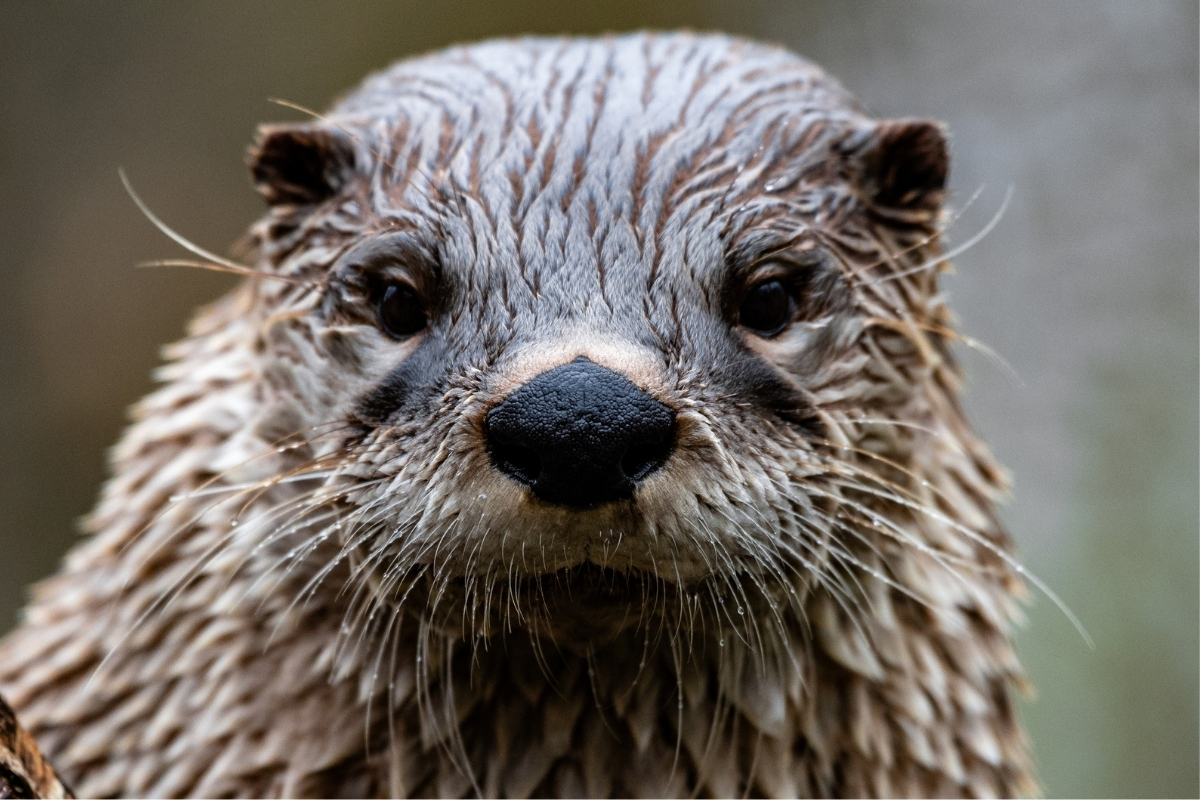
The North American River Otter (Lutra canadensis) is a playful and agile carnivore native to North America. Adapted to aquatic life, they have streamlined bodies, webbed feet, and thick waterproof fur. They feed on fish, crustaceans, amphibians, and small mammals and are often found in family groups, active at dawn and dusk. They don’t hibernate and can swim under ice in winter. While few natural predators threaten adults, young otters are vulnerable to coyotes, wolves, and large birds of prey.
There are 13 otter species worldwide, with the North American River Otter being one of the most widely distributed. Once heavily hunted for fur, river otters were extirpated from parts of their range. Though conservation efforts have helped them recover, habitat destruction and water pollution still pose significant risks. Otters continue to be trapped, with accidental deaths in beaver traps being the leading cause of fatalities.
Basic Information
Habitat: Found in rivers, lakes, wetlands, and coastal areas across North America. – Found in Pittsburgh!
Diet: Primarily eats fish, crustaceans, amphibians, and small mammals.
Behavior: Otters are social, active at dawn and dusk, playful, and skilled swimmers. They communicate with sounds and scent-marking and can also climb using their claws.
Fur: Thick, waterproof fur with around 70,000 to 90,000 hairs per square inch.
Senses: Acute hearing, good eyesight above water, and excellent vision underwater. Their whiskers help detect movement in murky water.
Reintroduction Success: Successfully reintroduced to areas where they were extirpated, such as parts of the Northeastern U.S. and Midwest
and have returned to once-polluted waterways like the rivers of Pittsburgh.
Pollution Impact: Vulnerable to water pollution and habitat destruction, which threaten their food sources and health.
Role in Ecosystems: Key indicator species, reflecting the health of aquatic ecosystems. They help maintain balanced populations of fish and other prey species.
Conservation Efforts: Programs focus on habitat restoration, pollution control, and sustainable trapping to support otter populations.
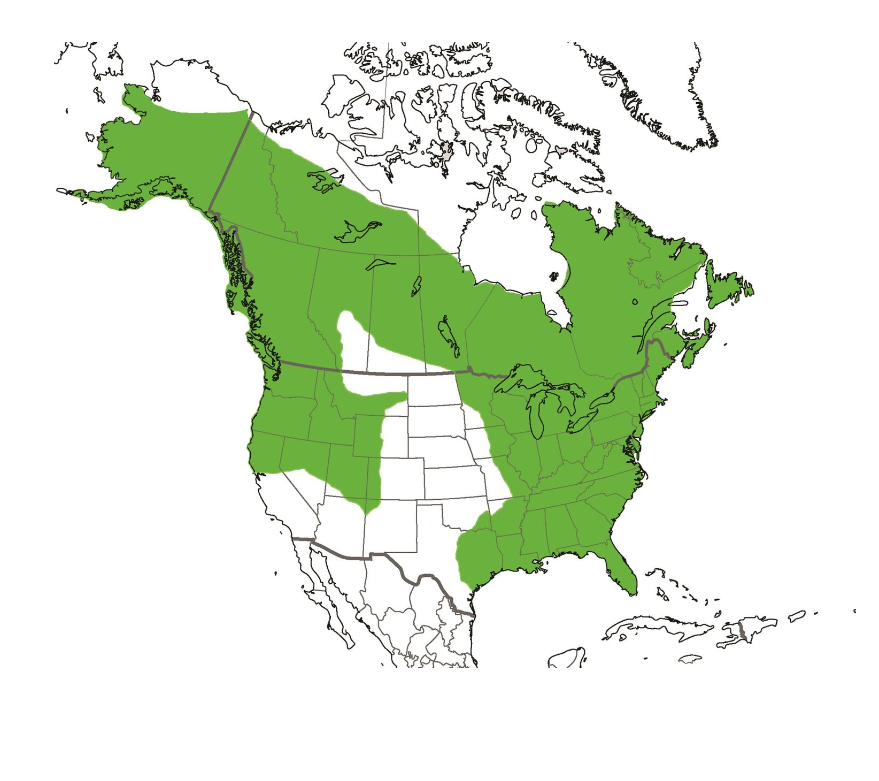
A North American river otter’s home range can be as large as 30 square miles (78 square kilometers), but a typical territory is 3 to 15 square miles (4.8 to 24 square kilometers). That home range shrinks drastically during breeding and rearing season.
Mating Season: Occurs in late winter or early spring (January to March).
Mating: Males compete for females with chasing and vocalizations. Mating usually happens in water.
Delayed Implantation: Fertilized eggs delay implantation until a few months after mating, ensuring pups are born in favorable spring conditions.
Gestation: Lasts 60 to 63 days after implantation.
Litter Size: Typically 1 to 6 pups, with 2 to 3 being common.
Birth: Pups are born blind and helpless in spring (March or April).
Parental Care: The mother cares for the pups alone in a den.
Weaning: Pups are weaned at 3 months.
Independence: Young otters become independent at 6 to 12 months, after learning to swim and hunt.

Size: Typically 3 to 4 feet (0.9 to 1.2 meters) long, including the tail, with a weight range of 10 to 30 pounds (4.5 to 13.6 kg).
Fur: Thick, waterproof undercoat with coarse, dark brown guard hairs on the outside, often lighter on the undersides, providing insulation and buoyancy. They have about 450,000 hairs per square inch. Sea otters have about 1 million, domestic cats have 60,000 – 120,000.
Tail: Long, muscular, tapering tail, about 1/3 of the body length, aiding in propulsion while swimming.
Limbs: Short, strong legs with webbed feet, enabling efficient swimming. The webbing is most pronounced between the toes.
Head: Small, rounded head with a short snout and a flat, broad nose for better water navigation.
Eyes: Small, with a nictitating membrane (third eyelid) to protect eyes underwater. Superb vision below water.
Ears: Small, rounded, and positioned high on the head to minimize water entry.
Whiskers: Long, stiff, sensitive whiskers (vibrissae) around the face to help with navigation in murky water.
Teeth: Sharp, pointed teeth suited for catching and eating fish, mollusks, and small mammals.
Claws: Retractable claws for digging dens or grabbing prey.
High Metabolism: Like all otters, River otters have a high metabolic rate to support their active, energy-consuming lifestyle. A river otter’s metabolic rate is approximately 50% higher than a similarly sized land mammal’s and helps them generate body heat to stay warm.
Social: Highly social, often seen in family groups or small social units.
Playful: Known for their playful behavior, such as sliding down mud or snowbanks, and engaging in water play.
Active: Primarily crepuscular and nocturnal, active during dawn and dusk, and less active in the midday heat.
Communication: Use vocalizations like chirps, whistles, and growls, along with scent-marking to communicate with others.
Diet: Carnivorous, feeding on fish, crustaceans, amphibians, and small mammals.
Non-Hibernating: Do not hibernate; remain active year-round.
Swimming: Skilled swimmers, capable of diving for extended periods, and can swim under ice when water bodies freeze.
Denning: Create dens (holts) near water, often using existing burrows, tree roots, or other natural structures.
Underwater Endurance: River otters can remain underwater for 6 to 8 minutes and dive to a depth of 60 feet.
Speed: Capable of running at speeds up to 47 kph (29 mph).
Winter Adaptations: In winter, they travel over snow and ice by running and sliding, conserving energy.
Waterproof Fur: A thick undercoat and coarse guard hairs keep the otter dry and insulated in cold water.
Whiskers (Vibrissae): Sensitive whiskers help the otter detect prey in dark or murky waters.
Swim Under Ice: Able to swim under ice during colder months if lakes or rivers freeze, adapting to harsh winter conditions.
Predators: Coyotes, wolves, and bears.
Prey: Fish (trout, salmon), crustaceans (crayfish, crabs), amphibians (frogs), mollusks (snails, clams), small mammals (muskrats), and birds.
Pollution: Water pollution, including pesticides, heavy metals, and chemicals, contaminates food sources and harms otters.
Habitat Loss: Urbanization, agriculture, and deforestation destroy otter habitats, including wetlands, rivers, and lakes.
Trapping in Pennsylvania:
Season: Trapping allowed in winter (December to February).
Bag Limits: Strict harvest limits to ensure sustainability.
Protection Areas: Some areas have protected otter populations.
Fur Trade: North American otter fur is traded in China and South Korea, driving hunting.
Human-Wildlife Conflict:
Otters are blamed for preying on game fish like trout, but they mostly eat non-game fish like carp and suckers.
They can cause problems in fish hatcheries.
Otters may den under structures near water, and their droppings and discarded food can create unpleasant odors.
Climate Change: Changes in water temperature, levels, and habitat availability affect otter populations.
Regulate Fish Populations: Otters control fish and invertebrate numbers, preventing overpopulation and ecosystem disruption.
Enhance Biodiversity: By preying on weaker individuals, otters support genetic diversity and healthy species populations.
Maintain Wetland Health: They help keep aquatic plant and prey populations balanced, supporting wetland stability and water quality.
Indicator Species: Otters serve as indicators of ecosystem health, with their presence reflecting a clean, healthy environment.
Nutrient Recycling: Otters contribute to nutrient cycling, enriching ecosystems by recycling nutrients back into the food chain.
River otters are listed in Appendix II of the Convention on International Trade in Endangered Species of Flora and Fauna (CITES).
Habitat Protection: Efforts focus on restoring wetlands, rivers, and lakes through state and federal conservation projects.
Fur Trade Regulations: States like California, Florida, and Washington have hunting bans and fur trade regulations.
Pollution Control Initiatives: Programs reduce water pollution from chemicals, pesticides, and industrial waste.
Wildlife Corridors: Agencies are creating corridors to connect fragmented otter habitats.
Research and Monitoring: Groups like the Wildlife Conservation Society monitor otter populations and health.
Public Awareness Campaigns: Organizations like the Otter Project educate the public on otter conservation.
Legal Protections: The Endangered Species Act and local laws protect vulnerable otters.
Rehabilitation and Release: Centers like the North American River Otter Rehabilitation Program rescue and release injured otters.
Reduce Pollution: Avoid harmful chemicals, dispose of waste properly, and reduce plastic use to protect waterways.
Support Habitat Restoration: Donate or volunteer to restore wetlands, rivers, and lakes.
Advocate for Legal Protections: Support policies that safeguard otters from hunting, trapping, and habitat destruction.
Educate Others: Share the importance of otters and their role as indicators of healthy ecosystems.
Create Safe Habitats: Plant native species near waterways to stabilize banks and support wildlife.
Join Citizen Science: Participate in otter monitoring programs or report sightings to aid research.
River otters have been found in Pittsburgh waterways, indicating the improvement to our water, as North American River Otters are not found in polluted waters.
Guest Engagement
Encyclopedia
Lasted Updated