
Philippine Crocodile
The Philippine crocodile is a critically endangered species native to the Philippines. It is a small to medium-sized crocodile, growing up to about 3 meters in length. Unlike the more famous saltwater crocodile, the Philippine crocodile is primarily freshwater-dwelling, inhabiting rivers, lakes, and marshes. It is recognized for its relatively smaller size, broad snout, and distinct markings on its skin. The species is facing severe threats due to habitat loss, hunting, and human-wildlife conflict, and is now found only in a few isolated regions, mostly in Mindoro, Palawan, and surrounding islands. Conservation efforts are ongoing, as the Philippine crocodile is one of the rarest crocodile species in the world.
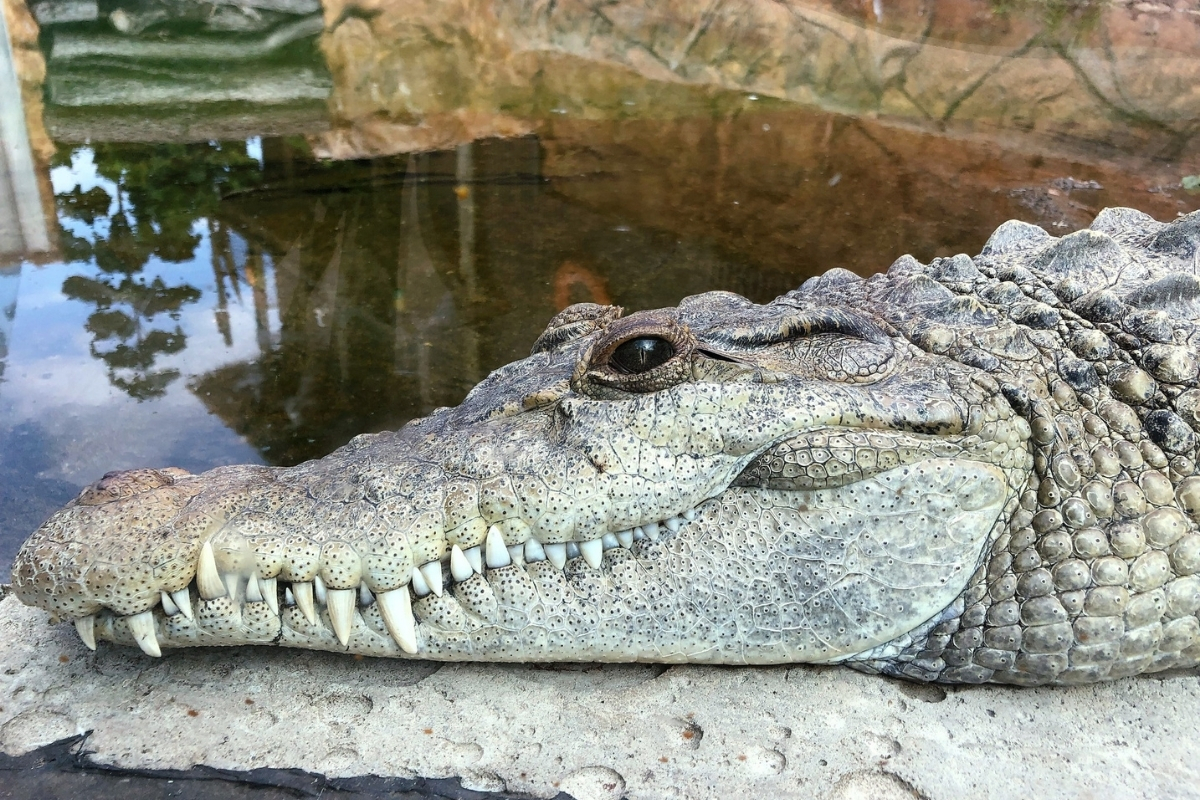
Basic Information
Critically Endangered: Fewer than 300 remain in the wild; one of the world’s rarest crocodiles.
Freshwater Specialist: Lives only in rivers, lakes, and marshes in the Philippines.
Compact Size: Grows up to 10 feet (3 meters)—smaller than most crocodiles.
Nictitating Membrane: Transparent third eyelid protects eyes while allowing vision underwater.
Vertical Pupils: Help with night vision, enhancing hunting ability in low-light environments.
Osteoderms: Bony plates embedded in the skin offer armor-like protection from predators and injuries.
Territorial & Nocturnal: Solitary and active at night; prefers to avoid conflict.
Basking & Cooling: Basks in sun to warm up and gapes its mouth to release heat.
Reproduction: Females lay 7–20 eggs, protect nests, and carry hatchlings in their mouths.
Ecosystem Role: Controls fish and prey populations, supporting freshwater biodiversity.
Bite Force: Delivers a powerful bite of about 615 pounds (powerful enough to crush bone).
Tooth Renewal: Has up to 68 teeth that fall out and regrow throughout life.
Conservation Focus: Efforts include breeding, habitat protection, and community education.
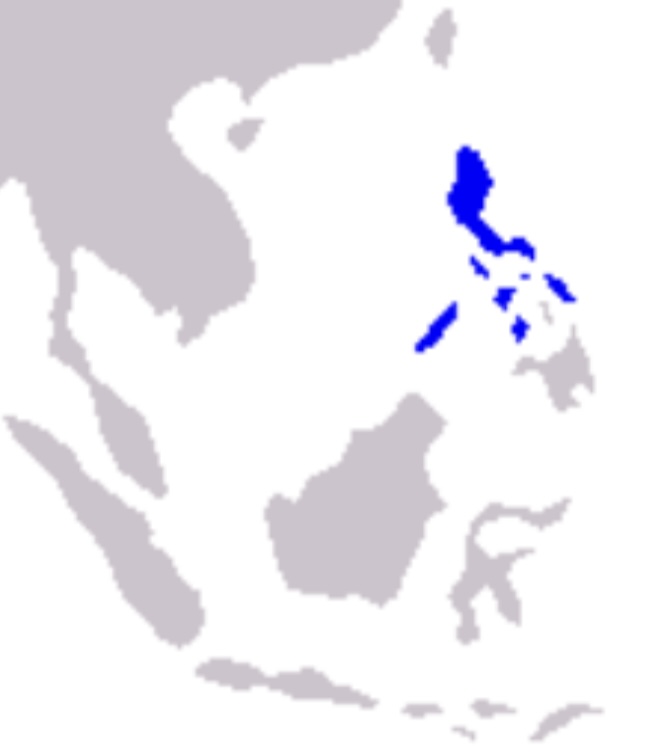
Small fragmented habitats on the Philippine islands of Dalupiri, Luzon, and Mindanao.
· Freshwater. Coastal and estuarine shores of the Philippines.
· Terrestrial nest sites and basking areas.
Nesting: Constructs a small mound nest made of soil and vegetation. The female lays 7–20 eggs after carrying them for 2–3 months.
Incubation: Eggs incubate for approximately 85 days.
Parental Care: Females exhibit high levels of parental care, protecting the nest and carrying hatchlings to water as they emerge.
Maturity: Both sexes reach breeding maturity at approximately 4.9 feet (1.5 meters) in length and 33 pounds (15 kilograms).

Size: One of the smallest crocodile species, reaching up to 3 meters (10 feet) in length.
Appearance: Dark gray to brown body with irregular black markings along the back and tail.
Head Shape: Broad, short snout gives it a more rounded appearance than other crocodilians.
Eyes & Nostrils: Positioned on top of the head to allow for ambush hunting while mostly submerged.
Teeth: Has 66–68 sharp, conical teeth that grip prey tightly and regenerate throughout life.
Skin: Covered in bony scales (osteoderms) that provide protection and reduce water loss.
Limb Structure: Strong, muscular limbs and webbed feet for movement in water and on muddy banks.
Tail: Powerful, laterally flattened tail provides thrust in water and can be used for defense.
Thermoregulation: Uses basking and mouth-gaping to regulate body temperature.
Age and Growth: A slow-growing species with a lifespan of 50–70 years in the wild.
Habitat Use: Occupies small fragmented habitats across the Philippine islands of Dalupiri, Luzon, and Mindanao.
Territoriality: Highly territorial, especially during the breeding season, with males fiercely guarding their territories.
Activity Patterns: Primarily nocturnal, though often basks in the sunlight during the day for thermoregulation.
Movement: Tends to remain within its habitat range, but can travel significant distances during flooding or droughts to find suitable water sources
Stone Swallowing: Swallows small stones (gastroliths) to aid in buoyancy control and digestion.
Nictitating Membrane: Transparent third eyelid protects eyes while allowing vision underwater.
Vertical Pupils: Help with night vision, enhancing hunting ability in low-light environments.
Osteoderms: Bony plates embedded in the skin offer armor-like protection from predators and injuries.
Teeth Replacement: Continuously replaces teeth throughout life, ensuring effective prey capture.
Efficient Lungs: Can hold breath for long periods, aiding in stealthy underwater ambush.
Prey: Fish, amphibians, crustaceans, and small mammals. Juveniles focus on smaller, easily captured prey like insects.
Predators: Hatchlings are at risk from large birds, monitor lizards, and snakes. Adults have few natural predators other than humans.
Habitat Loss: Wetlands and river systems are drained or converted for agriculture, aquaculture, and human settlement.
Fishing Practices: Accidental entanglement in fishing nets and traps is a leading cause of mortality.
Persecution: Misunderstood as dangerous, crocodiles are often killed out of fear or retaliation.
Low Population: With fewer than 200 mature individuals in the wild, the species is highly vulnerable to extinction.
Genetic Isolation: Fragmented habitats prevent natural breeding and reduce genetic diversity.
Apex Predator: Helps regulate populations of fish and aquatic species, maintaining balance in freshwater ecosystems.
Scavenger Role: Consumes carrion and organic waste, reducing disease and supporting ecosystem health.
Wetland Indicator: Presence of crocodiles signals a healthy wetland system with clean water and abundant biodiversity.
Habitat Engineers: Their nesting and movement patterns influence vegetation, water flow, and habitat structure.
Prey Source: Juvenile crocodiles and eggs are prey for monitor lizards, birds, and other predators, contributing to the food web.
Captive Breeding & Reintroduction: Breeding programs support wild population recovery through release efforts in native habitats.
Protected Areas: Conservation sites like the Northern Sierra Madre hold critical crocodile populations under habitat protection.
Community Engagement: Local communities are involved in monitoring, patrolling, and protecting nests.
Education & Outreach: Programs engage schools and villages to reduce persecution and promote coexistence.
Habitat Restoration: Efforts include cleanup of waterways, reforestation, and restoration of marshes and rivers.
Research and Monitoring: Population surveys and tagging help track crocodile numbers and health over time.
Respect Native Wildlife: Avoid harming or disturbing wild animals, even those often feared or misunderstood.
Avoid Exotic Pets: Never purchase or share content that promotes crocodiles or reptiles as pets—social media posts can fuel illegal trade.
Learn and Share: Talk to others about how protecting crocodiles helps preserve clean water and biodiversity.
Pittsburgh Connection: Take part in local river cleanups and wetland restoration to support healthy ecosystems and raise awareness of global species threats.
Common Names: Also known as the Mindoro crocodile or the Philippine freshwater crocodile.
Related Species: One of two crocodile species found in the Philippines, alongside the larger Indo-Pacific crocodile (Crocodylus porosus), also called the saltwater crocodile.
Taxonomy: Until 1989, it was classified as a subspecies of the New Guinea crocodile (Crocodylus novaeguineae).
Knowledge Gaps: Limited information exists about its natural history, range, ecology, or its relationship with Crocodylus porosus, whose range it overlaps.
Distribution: Found only on the Philippine islands in two separate populations. Historically widespread across the Philippines, but now extirpated in Samar, Jolo, Negros Island, Masbate, and Busuanga.
Conservation History: Previously thought locally extinct in parts of Northern Luzon until a live specimen, nicknamed ‘Isabela’, was captured in San Mariano, Isabela in 1999.
Captive Conservation: ‘Isabela’ was cared for by the Crocodile Rehabilitation Observance and Conservation program and released back into the wild in August 2007.
Guest Engagement
Encyclopedia
Lasted Updated