
Two-toed Sloth
Introducion
Sloths are fascinating, slow-moving mammals that belong to the order Pilosa, which also includes anteaters. Despite their tree-dwelling nature and some primate-like features, sloths are not primates. There are six species of sloths, divided into two families. The two-toed sloths belong to the family Megalonychidae, while the three-toed sloths are part of the family Bradypodidae. Known for their slow movement, , and mostly solitary lifestyles, sloths live their entire lives in trees, spending most of their time upside down. The Spanish word for sloth is “perezoso,” meaning “lazy,” reflecting their famously slow pace. Sloths are a symbol of the tropical rainforests they inhabit, playing an important ecological role in their environments.
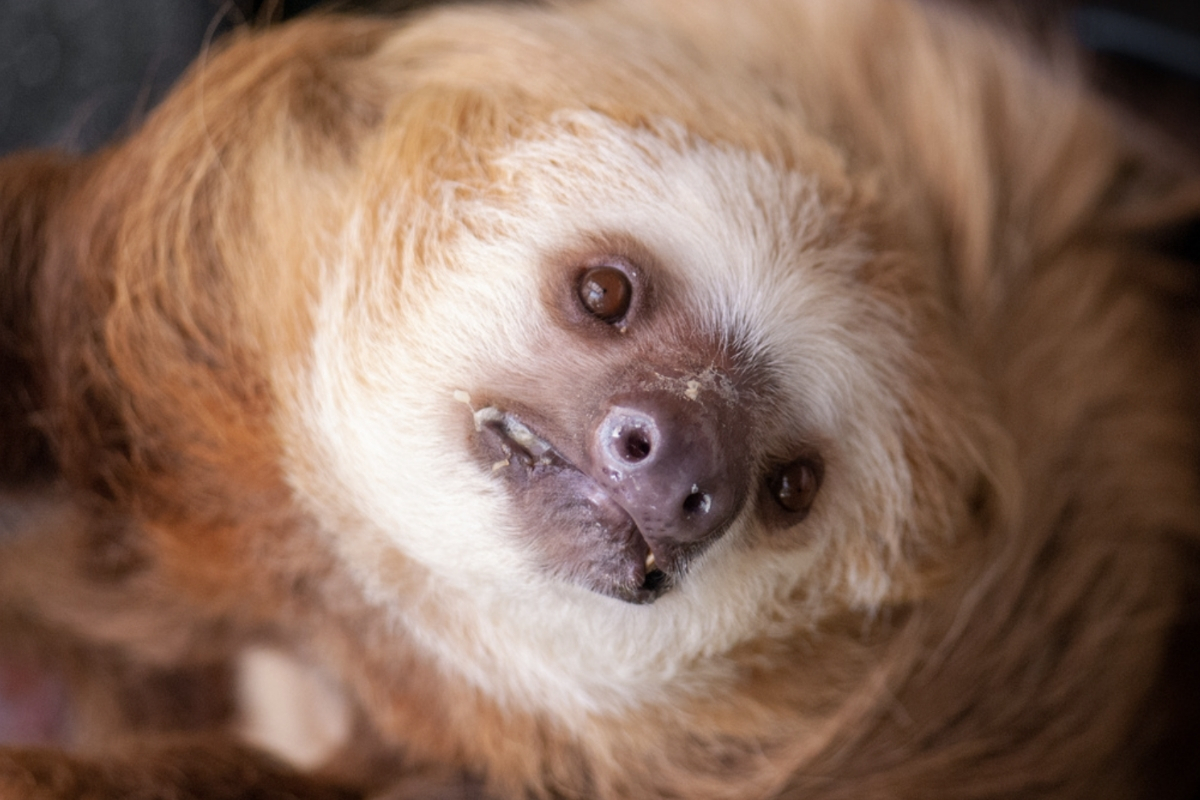
Basic Information
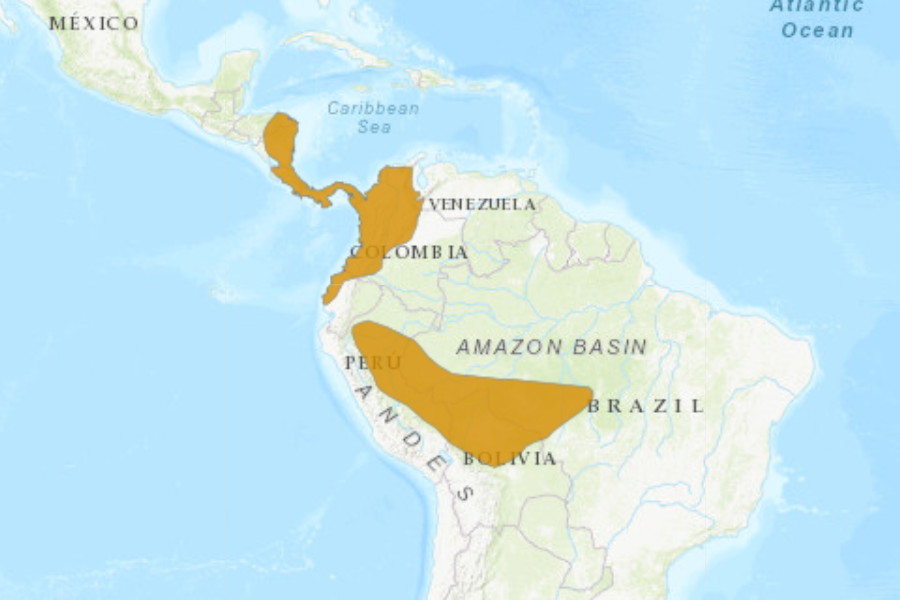
Range: Found in Central and South America, including countries such as Panama, Costa Rica, and Honduras.
Habitat: Found in tropical rainforests of Central and South America.
Canopy Lifestyle: Live high in the forest canopy, spending most of their lives suspended from tree branches.
Gestation: 120–180 days.
Breeding Season: Mating occurs year-round but often peaks during the wet season when food is abundant.
Mating Behavior: Males may vocalize loudly and engage in slow claw-sparring contests for mates. Females call out to signal readiness to mate.
Offspring: Females usually give birth to a single baby.
Birth Location: Mating and birth both occur in the trees.
Parental Care: Mothers nurse young for about 6 months and continue caring for them as they become independent.
Development: Babies cling to their mother’s belly for the first months of life before learning to climb on their own.

Not Primates: Sloths belong to the order Pilosa, which also includes anteaters.
Algae Camouflage: Green algae grow in grooves within their fur, helping camouflage them among leaves and moss.
Insect Habitat: Moths and other insects live in sloth fur, feeding on algae, fungi, and debris.
Senses: Poor hearing and eyesight but an excellent sense of smell.
Limbs & Claws: Long limbs and curved claws help grip branches securely. Forelimbs are stronger and more mobile than hind limbs.
Movement: Move slowly and deliberately, usually one limb at a time.
Ground Movement: Very awkward on land, crawling slowly if forced from trees.
Sleep: Two-toed sloths sleep about 18 hours per day.
Swimming: Excellent swimmers that can move between trees during floods.
Digestion: Extremely slow digestion; food can take over a week to process. Sloths descend about once a week to defecate.
Body Temperature: Have the lowest recorded body temperature of any mammal, ranging from 75–97°F.
Posture: Hang upside down with the back facing downward, helping them blend into the canopy.
Vertebrae: Have only 5 neck vertebrae instead of the 7 found in most mammals.
An animal with algae growing on it, moths living in its fur, a body temperature barely committed to being warm-blooded, and a weekly bathroom schedule somehow survives in the rainforest. Biology remains deeply unserious.
The only natural predator to the sloth is the jaguar.
Habitat Loss: Deforestation for agriculture, logging, and development reduces rainforest habitat.
Habitat Fragmentation: Roads and cleared land isolate sloth populations and force them to travel on the ground more often.
Human Encroachment: Expanding human activity increases vehicle strikes, dog attacks, and power line injuries.
Pet Trade: Captured illegally for the exotic pet trade and tourist photo attractions.
Climate Change: Alters rainforest conditions, food availability, and tree cover.
Wildfires: Increasing forest fires destroy habitat and limit food sources.
Slow Movement: Their slow speed makes escaping threats and adapting to rapid environmental change difficult.
Protected Forests: National parks and rainforest reserves protect sloth habitats.
Reforestation Projects: Conservation groups restore forests and reconnect wildlife corridors.
Wildlife Rehabilitation: Rescue centers care for injured and orphaned sloths.
Canopy Bridges: Wildlife crossings help sloths safely move across fragmented habitats.
Anti-Trafficking Enforcement: Laws and enforcement reduce illegal wildlife trade.
Research Programs: Scientists monitor sloth populations and habitat health.
Education Programs: Zoos and conservation groups teach the public about rainforest conservation.
Other Info
Organs such as the heart, liver, and spleen are placed differently in sloths than in other mammals to accommodate their upside-down lifestyle.
Guest Engagement
Encyclopedia
Lasted Updated