
Valais Blacknose Sheep
Kids Kingdom
Valais Blacknose Sheep are a historic domestic sheep breed originating from the Valais canton of southern Switzerland, where they were developed to withstand the harsh climate and steep terrain of the central Alps. Characterized by their dense curly white fleece, black facial and leg markings, and large spiral horns, they are among the most visually distinctive sheep breeds in the world. Traditionally raised for wool, meat, and alpine grazing, the breed is valued for its hardiness, strong flocking behavior, and unusually calm temperament. In recent decades, Valais Blacknose Sheep have gained international popularity in agricultural education programs, hobby farming, and conservation-focused heritage livestock breeding due to their striking appearance and approachable nature.
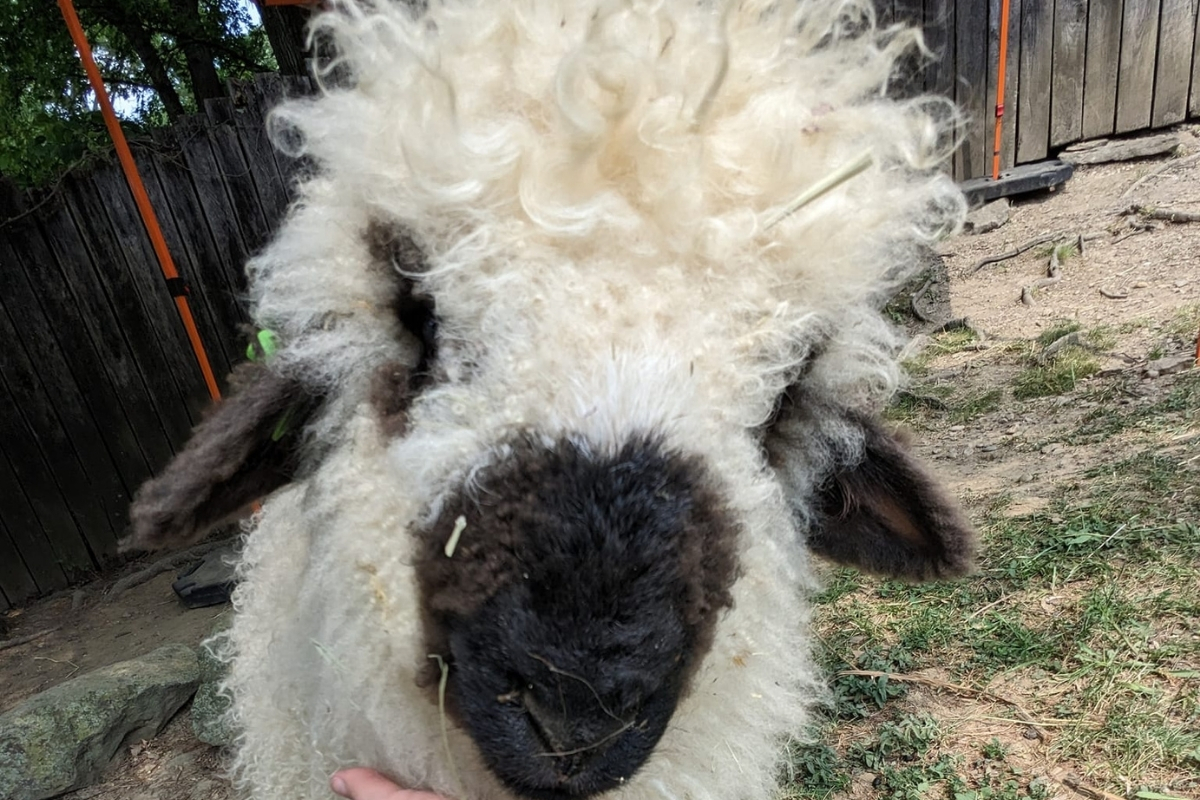
Presley
Male • 1 yrs 8 mos
DOB: 01/27/2025
Born At: Private Owner
Date In: 04/15/2025
Markings:
Prince
Male • 3 yrs 6 mos
DOB: 03/10/2023
Born At: Private Owner
Date In: 05/15/2023
Markings: Dark face and horns
Gone and Moved
Basic Information
• Swiss Mountain Origins: Valais Blacknose Sheep were developed in the cold mountainous Alps of southern Switzerland, where they adapted to steep cliffs, snow, and rocky terrain.
• Distinctive Appearance: Their thick white wool and black markings on the face, ears, knees, and feet make them one of the most recognizable sheep breeds in the world.
• Spiral Horns: Both males and females usually develop large curved spiral horns that continue growing throughout life.
• Thick Alpine Wool: Their dense fleece acts like insulation, helping them survive freezing temperatures and harsh mountain weather.
• Friendly Temperament: This breed is known for being calm, curious, and approachable around humans compared to many other livestock breeds.
• Mountain Climbers: Despite their fluffy appearance, they are agile animals capable of climbing steep rocky slopes in alpine environments.
• Constant Wool Growth: Their wool grows continuously and requires regular shearing to prevent overheating and matting.
• Flock Animals: Like most sheep, they are highly social and rely on flock behavior for communication, protection, and comfort.
• Heritage Breed: The breed represents centuries of traditional alpine farming and livestock management in Switzerland.
• Global Popularity: Social media and modern farming interest greatly increased worldwide demand for the breed during the 2010s.
• Native Range: Valais region of southern Switzerland in the Alps.
• Global Distribution: Found in managed farms and breeding programs throughout Europe, North America, Australia, and New Zealand.
• Habitat: Alpine meadows, mountain pastures, and managed agricultural environments.
Rams: Usually 30–33 inches at the shoulder and 175–275 pounds.
Ewes: Usually 28–31 inches at the shoulder and 150–200 pounds.
• Sexual Maturity: Ewes at 6–12 months, rams at 5–7 months.
• Breeding Season: Primarily fall through early winter.
• Estrus Cycle: Every 16–17 days during breeding season.
• Gestation: Approximately 145–155 days (~5 months).
• Lambing: Usually 1–2 lambs, twins are common.
• Lambing Season: Most lambs are born in late winter or spring.
• Maternal Care: Ewes are attentive mothers and protect lambs within the flock.
• Lamb Development: Lambs stand and nurse within hours after birth.
• Weaning: Typically occurs at 2–4 months of age.
Appearance: Thick curly white fleece with black markings on the face, ears, knees, and feet.
Horns: Both sexes usually develop large spiral horns.
Wool: Dense and insulating fleece adapted for cold climates.
Temperament: Calm, social, curious, and friendly around humans.
Build: Strong-bodied sheep adapted for climbing and mountain travel.
Flock-Oriented: Highly social animals that prefer remaining in groups for safety and interaction.
Grazing Behavior: Spend much of the day grazing and resting while chewing cud.
Communication: Use vocalizations, posture, scent, and facial recognition to communicate.
Curiosity: Often more approachable and interactive than many livestock breeds.
Ram Behavior: Rams may compete by headbutting during breeding season to establish dominance.
Thick Insulating Wool: Protects against freezing temperatures, snow, and rain in alpine environments.
Strong Hooves and Legs: Help navigate rocky mountain terrain and steep slopes.
Efficient Digestion: Multi-chambered stomach allows digestion of tough grasses and fibrous plants.
Flock Instinct: Group behavior improves predator awareness and social protection.
Horn Development: Curved horns aid in defense and dominance displays.
Predators: Wolves, coyotes, mountain lions, domestic dogs, and large birds of prey targeting lambs.
Defense: Stay together in flocks, rely on vigilance, flee rough terrain, and use horns when threatened.
Human Protection: Domestic flocks are protected using fencing, guardian animals, and shepherd supervision.
Inbreeding Risk: Small breeding populations outside Switzerland can increase the risk of reduced genetic diversity if breeding is not carefully managed.
Predation: Lambs and smaller sheep may be vulnerable to wolves, coyotes, domestic dogs, and other predators when kept in open pasture.
Heat Stress: Their thick alpine fleece protects them in cold climates but can make them prone to overheating in hot weather without shade, water, and shearing.
Poor Management: Lack of hoof care, parasite control, clean shelter, or proper nutrition can quickly affect flock health.
Overbreeding Demand: Their popularity can encourage irresponsible breeding focused on appearance instead of long-term health.
Grassland Maintenance: Grazing helps prevent overgrowth and supports healthy pasture ecosystems.
Nutrient Cycling: Sheep manure naturally fertilizes soil and supports plant growth.
Selective Grazing: Feeding behavior can influence plant diversity across alpine meadows.
Agricultural Sustainability: Historically important for wool, meat, and mountain farming communities.
Breed Preservation: International breeders maintain genetic diversity and pedigree tracking.
Heritage Agriculture: Protected as part of Switzerland’s agricultural and cultural history.
Responsible Breeding Programs: Focus on maintaining healthy bloodlines and reducing inbreeding.
Teddy Bear Appearance: Valais Blacknose Sheep are often called the “world’s cutest sheep” because of their fluffy wool and dark facial markings.
Both Sexes Have Horns: Unlike many sheep breeds, both males and females usually grow large spiral horns.
Swiss Mountain Breed: The breed originated high in the Swiss Alps and was developed to survive cold mountain conditions.
Excellent Climbers: Despite their fluffy appearance, they are agile animals capable of navigating steep rocky slopes.
Continuous Wool Growth: Their wool keeps growing and requires regular shearing throughout the year.
Social Animals: They are highly flock-oriented and often become very attached to other sheep.
Friendly Temperament: Valais Blacknose Sheep are known for being calmer and more approachable than many livestock breeds.
Internet Famous: Social media dramatically increased worldwide demand for the breed during the 2010s.
Dark Markings: Their black markings naturally appear on the face, ears, knees, feet, and sometimes around the eyes.
Cold Weather Adaptation: Their thick fleece acts as natural insulation against snow, rain, and freezing alpine temperatures.
Encyclopedia
Valais Blacknose Sheep
Valais Blacknose sheep are a distinctive domestic sheep breed originating from the isolated alpine valleys of the Swiss canton of Valais in southern Switzerland, where centuries of selective breeding under harsh mountain conditions produced a sheep characterized by exceptional cold tolerance, dense insulating fleece, strong climbing ability, environmental resilience, and efficient use of sparse mountain forage systems. They are among the most visually recognizable sheep breeds in the world because of the dramatic contrast between their bright white wool and sharply defined black facial markings, black ears, black knees, and black lower legs, features further accentuated by large spiral horns commonly present in both males and females. Although modern popularity has transformed the breed into an international symbol of heritage livestock and agritourism, Valais Blacknose sheep developed originally as practical alpine agricultural animals whose survival depended upon hardiness, mobility, flock cohesion, maternal reliability, and the ability to withstand severe weather conditions associated with high-elevation mountain ecosystems. Their thick fleece evolved not for luxury textile production but for insulation against freezing temperatures, snow accumulation, cold rain, and intense alpine winds, while their compact muscular bodies and durable hooves allowed movement across steep rocky terrain unsuitable for many lowland sheep breeds. Unlike heavily industrialized commercial sheep developed primarily for maximum meat yield or ultrafine wool efficiency, Valais Blacknose sheep retain a broad suite of adaptive characteristics associated with traditional mountain pastoralism, making them both culturally important and biologically valuable as a preserved heritage breed shaped by centuries of environmental and agricultural selection within the central Alps.
The breed emerged within a landscape historically defined by transhumance grazing systems in which livestock moved seasonally between lower valley pastures during winter and high alpine meadows during summer. These grazing patterns exposed sheep to dramatic environmental fluctuations involving temperature extremes, steep elevation changes, inconsistent forage quality, and rugged terrain that demanded physical endurance and behavioral adaptability. Isolation within alpine valleys contributed to preservation of distinctive breed characteristics including heavy fleece density, horn structure, black pigmentation patterns, and strong flocking behavior. Because these sheep developed prior to modern industrial agriculture, selection pressures centered not upon rapid feed conversion or confinement productivity but upon survival, reproductive reliability, and efficient use of marginal grazing environments where resources could become seasonally scarce. Even today, many characteristics that made the breed historically valuable remain strongly visible in modern populations, including calm temperament, broad environmental tolerance, and the ability to thrive under extensive grazing systems where more specialized commercial breeds often struggle. Their recent global popularity has dramatically expanded breeding programs outside Switzerland, yet the breed remains fundamentally tied to the ecological and cultural history of alpine pastoral life from which it originated.
Classification and Evolutionary Background
Valais Blacknose sheep belong to the species Ovis aries, the domestic sheep, one of the earliest livestock species domesticated by humans. Domestic sheep descended primarily from wild mouflon populations inhabiting portions of western Asia and became integrated into early agricultural societies approximately 10,000 years ago. Over thousands of years, selective breeding across different climates and geographic regions produced hundreds of specialized sheep breeds adapted to highly specific environmental and agricultural conditions. Mountain breeds such as the Valais Blacknose evolved under very different pressures than lowland commercial breeds because alpine environments imposed challenges involving cold exposure, difficult terrain, fluctuating forage quality, and seasonal isolation. As a result, many traditional mountain sheep retained broader adaptive flexibility, stronger physical durability, and greater environmental resilience than modern industrial breeds heavily specialized for narrow production goals.
The canton of Valais in southern Switzerland provided the geographic and ecological conditions under which the breed emerged. This region is characterized by steep mountain valleys, rocky alpine slopes, severe winters, strong winds, and high-elevation grazing systems that historically supported relatively isolated pastoral communities. Sheep capable of surviving these conditions while still producing usable wool and meat became highly valuable to local farmers. Over time, selective breeding reinforced traits associated with fleece density, horn development, climbing ability, efficient grazing behavior, and distinctive pigmentation patterns. The breed’s sharply contrasting black-and-white coloration likely became stabilized through both geographic isolation and deliberate selection by shepherds favoring recognizable and visually consistent animals within mountain flocks.
Formal breed standardization increased during the 20th century as Swiss agricultural organizations established breeding criteria emphasizing fleece coverage, horn structure, body conformation, and the highly distinctive black markings that define the breed today. For much of modern history, however, Valais Blacknose sheep remained relatively uncommon outside Switzerland because export restrictions and geographic isolation limited international breeding populations. Only during the early 21st century did the breed experience rapid global expansion, driven partly by social media exposure and increasing international interest in heritage livestock conservation. Their unusual appearance generated extraordinary public fascination and transformed the breed into one of the most recognizable sheep populations in the world, though this popularity also created challenges involving genetic bottlenecks, commercialization, and maintenance of authentic breed standards outside their original alpine environment.
Physical Characteristics
Valais Blacknose sheep are medium-to-large sheep possessing compact muscular bodies, broad chests, powerful shoulders, dense fleece coverage, and strong limbs adapted for movement across steep mountainous terrain. Adult rams generally weigh between 175 and 275 pounds (80 to 125 kilograms), while ewes typically range from 155 to 200 pounds (70 to 90 kilograms), though body size varies according to nutrition, genetics, and management conditions. Their body structure reflects generations of adaptation to alpine environments where climbing ability, sure-footedness, and physical endurance directly influenced survival and productivity. Compared with heavily industrialized lowland sheep breeds selected for rapid growth under intensive feed systems, Valais Blacknose sheep retain a more traditional mountain-sheep conformation emphasizing environmental resilience and structural durability.
The breed’s most distinctive feature is the sharply contrasting black-and-white coloration pattern from which the name “Blacknose” derives. Dense white fleece covers most of the body while the muzzle, regions surrounding the eyes, ears, knees, lower legs, and portions of the feet display deep black pigmentation. This creates a highly recognizable facial mask-like appearance further accentuated by the breed’s heavy wool coverage. Both males and females commonly develop spiral horns, though horn size and thickness are generally greater in rams. Horn development continues throughout life and contributes significantly to visual breed identity. The horns historically may also have provided defensive value within exposed mountain environments where sheep occasionally encountered predators or competed physically within flocks.
Their fleece is exceptionally thick, coarse, and insulating compared with fine-wool breeds such as Merino sheep. Wool fibers are long and dense, producing the cloud-like appearance that contributed greatly to the breed’s modern international popularity. This fleece evolved primarily as thermal protection against freezing alpine temperatures, snow accumulation, rain, and persistent mountain winds rather than for production of delicate luxury textiles. Continuous fleece growth requires regular shearing because unmanaged wool accumulation may lead to overheating, restricted movement, parasite infestation, moisture retention, and skin disease. Lambs are born with softer shorter fleece that gradually thickens during maturation as the dense adult coat develops.
The breed’s hooves are notably durable and well adapted for traversing rocky slopes and unstable mountain terrain. Their strong jaws and broad muzzles permit efficient grazing on coarse alpine vegetation including grasses, herbs, sedges, and low mountain plants often unsuitable for less specialized lowland livestock breeds. Combined with their compact muscular structure and dense fleece, these characteristics illustrate how strongly the breed remains shaped by the ecological pressures of alpine agriculture even within modern managed populations.
Habitat and Environmental Adaptation
Valais Blacknose sheep were historically associated with traditional alpine pastoral systems in which livestock grazed steep mountain meadows during warmer months and descended into lower valleys during winter. These seasonal grazing migrations exposed sheep to highly variable environmental conditions including freezing temperatures, intense sunlight at high elevations, rocky terrain, fluctuating forage availability, heavy snow accumulation, and severe storms. Their thick fleece and broad environmental tolerance allowed successful adaptation to these harsh conditions while their strong flocking behavior helped maintain group cohesion within difficult mountainous landscapes.
Unlike many industrial sheep breeds dependent upon carefully controlled pasture systems and concentrated feed supplementation, Valais Blacknose sheep evolved under relatively low-input agricultural conditions where efficient use of marginal grazing resources was essential. Their ability to utilize rugged alpine pasture unsuitable for mechanized agriculture historically made them valuable to mountain communities where productive farmland remained limited. Grazing by sheep also contributed ecologically to maintenance of open alpine meadows and suppression of shrub encroachment, influencing vegetation structure and biodiversity within portions of the Swiss Alps.
Modern populations increasingly occur outside their native alpine environment in climates substantially warmer and wetter than those of southern Switzerland. Under these conditions, management challenges change considerably because the breed’s extremely dense fleece predisposes individuals to overheating and fleece-related health problems when temperatures rise. Moist humid climates may also increase parasite pressure and hoof disease relative to the colder drier alpine conditions under which the breed evolved. Consequently, successful management outside Switzerland often requires careful attention to shade availability, airflow, shearing schedules, hoof maintenance, pasture rotation, and parasite control. Despite these challenges, Valais Blacknose sheep have demonstrated substantial adaptability under appropriate husbandry systems and now occur in regions ranging from northern Europe to North America and New Zealand.
Behavior and Social Structure
Valais Blacknose sheep are widely regarded as unusually calm, social, and approachable compared with many commercial sheep breeds, a temperament that contributed significantly to their popularity within agritourism, educational farms, and small-scale heritage livestock operations. Their behavior reflects generations of management within relatively close-contact alpine farming systems where shepherds frequently worked directly with small mountain flocks. Like all domestic sheep, they are strongly social herd animals relying heavily upon flock cohesion, coordinated movement, and social familiarity for security and environmental navigation. Individuals recognize flock members and establish social hierarchies influenced by age, sex, and dominance relationships.
Their docile disposition often results in high tolerance for human interaction, particularly when animals are handled regularly from an early age. Nevertheless, they remain physically strong livestock animals capable of assertive feeding competition, territorial behavior during breeding season, and substantial force when frightened or stressed. Rams especially may become more dominant and competitive during mating periods when establishing reproductive access to females. Despite their calm reputation, they retain many instinctive behaviors associated with predator awareness and flock defense developed during centuries of exposure to open mountain environments.
Communication occurs through vocalizations, body posture, scent, and physical contact. Ewes and lambs maintain strong vocal recognition that allows rapid identification following separation within larger flocks or mountainous terrain. Maternal behavior is generally attentive and protective, with ewes displaying strong nursing and guarding behavior during early lamb development. Lambs are highly active shortly after birth and rapidly develop the coordination and mobility necessary for navigating uneven alpine terrain.
Because mountain grazing systems historically exposed sheep to environmental hazards and predators, coordinated flock movement and collective vigilance played important survival roles. Many of these behavioral tendencies remain visible in modern populations even under managed agricultural conditions where predation pressure is substantially reduced.
Feeding Ecology and Grazing Behavior
Like all sheep, Valais Blacknose sheep are herbivorous ruminants possessing a four-chambered stomach specialized for microbial fermentation of fibrous plant material. This digestive system permits extraction of nutrients from coarse grasses and alpine vegetation unsuitable for many nonruminant animals. Feeding behavior typically involves repeated cycles of grazing, rumination, resting, and movement throughout the day, with substantial time devoted to microbial digestion and cud chewing following feeding periods.
Within traditional alpine systems, Valais Blacknose sheep grazed diverse mountain vegetation including grasses, flowering herbs, sedges, clover, and low shrubs occurring within steep high-elevation meadows. Their grazing activity contributed significantly to maintenance of open alpine ecosystems and influenced vegetation dynamics throughout mountain landscapes. Compared with heavily specialized commercial breeds developed under grain-intensive production systems, they retain relatively strong foraging flexibility and tolerance for fluctuating pasture quality.
Modern management frequently incorporates rotational grazing systems that improve pasture recovery, reduce parasite accumulation, and more closely mimic traditional seasonal grazing movement. Nutritional balance remains important because excessive feeding may contribute to obesity, reproductive complications, and hoof problems while inadequate nutrition negatively affects wool production, immune function, reproductive performance, and lamb growth. Their relatively slower growth rate compared with industrial meat breeds reflects adaptation to extensive mountain grazing systems rather than rapid feedlot production efficiency.
Reproduction and Development
Valais Blacknose sheep are seasonal breeders, with mating generally occurring during autumn and lambing occurring during spring following a gestation period averaging approximately five months. Ewes commonly produce one or two lambs, though twins occur regularly under favorable nutritional conditions. Reproductive timing historically aligned with seasonal pasture productivity so that lambs were born during periods of improving forage availability and milder weather conditions within alpine valleys.
Lambs are born with the breed’s characteristic black markings already visible, though fleece density, horn development, and body size continue changing substantially during maturation. Early development involves rapid acquisition of mobility, nursing behavior, social recognition, and flock integration. Lambs remain strongly associated with the ewe during initial developmental stages and learn grazing behavior, flock movement, and environmental navigation through prolonged social interaction with both the mother and broader flock.
Selective breeding programs increasingly emphasize preservation of breed standards involving coloration, fleece texture, horn symmetry, body conformation, and temperament. Because modern international populations descend from relatively limited imported genetic stock, maintaining genetic diversity while preserving characteristic breed appearance remains an important concern among breeders and livestock conservation organizations.
Wool Production and Agricultural Role
Historically, Valais Blacknose sheep served as multipurpose livestock animals valued for wool, meat, and efficient use of mountainous grazing environments. Their wool is coarse, dense, and durable rather than ultra-fine, making it suitable for rugs, blankets, felted products, outer garments, and specialty textiles rather than delicate luxury fabrics. Meat production historically provided additional value within alpine communities where livestock represented an important source of food security under difficult environmental conditions.
During recent decades, however, the breed’s economic significance shifted dramatically. International demand for breeding animals, exhibition livestock, educational farm use, agritourism attraction, and heritage breed conservation often exceeds the value of traditional wool or meat production. In some countries, imported embryos and breeding stock command extremely high prices due to rarity and strong public demand. Their unusual appearance transformed them into ambassador animals for heritage livestock conservation and traditional mountain agriculture. Humanity collectively decided that a heavily wool-covered alpine sheep resembled a living stuffed animal and subsequently built an international breeding economy around that observation. Agricultural history remains a deeply unpredictable process.
Ecological and Cultural Importance
Valais Blacknose sheep hold significant cultural importance within Swiss alpine pastoral traditions where seasonal livestock movement between valleys and mountain meadows shaped rural economies, land management practices, and regional identity for centuries. Grazing by sheep contributed ecologically to maintenance of open alpine meadow systems, reduction of shrub encroachment, and preservation of biodiversity associated with high-elevation grasslands.
As a heritage livestock breed, Valais Blacknose sheep preserve genetic diversity increasingly absent from industrial agriculture dominated by a narrow range of highly specialized commercial breeds. Conservation of heritage livestock populations remains important because these breeds retain adaptive traits, environmental resilience, and behavioral variation potentially valuable for future agricultural sustainability under changing climatic conditions.
Their international popularity has also increased public awareness regarding livestock conservation, traditional farming systems, wool production, and agricultural biodiversity. Although fascination often begins with appearance, the breed increasingly serves as an entry point for broader discussion involving sustainable agriculture, heritage breed preservation, and the long-term consequences of agricultural homogenization.
Disease and Management Concerns
Like all domestic sheep, Valais Blacknose sheep are susceptible to bacterial, viral, parasitic, and nutritional diseases. Internal parasites remain among the most important management concerns, particularly in humid grazing systems outside traditional alpine climates. Foot rot, hoof overgrowth, respiratory disease, fleece contamination, skin infection, and heat stress may also occur under poor management conditions.
Their dense fleece requires careful maintenance through regular shearing and monitoring for moisture retention, parasite infestation, and wool matting. In warmer climates especially, overheating becomes a major welfare concern because the breed evolved under cool mountain conditions where thermal insulation rather than heat dissipation represented the primary evolutionary pressure. Responsible management therefore requires attention to shade, ventilation, dry bedding, hoof care, and parasite control.
Selective breeding emphasizing visual appearance may also increase risk of genetic bottlenecks if diversity is not actively maintained. Breed societies and conservation organizations increasingly emphasize responsible genetic management alongside preservation of physical breed characteristics.
Conservation and Breed Preservation
Breed Expansion and Genetic Preservation
Although Valais Blacknose sheep were never critically endangered, the breed remained geographically restricted for much of modern history and existed primarily within isolated alpine populations. Rapid international demand during the 21st century dramatically expanded breeding programs outside Switzerland while simultaneously increasing concern regarding inbreeding, commercialization, and maintenance of authentic breed standards. Breed registries and livestock organizations now coordinate pedigree tracking and breeding oversight in multiple countries to preserve genetic diversity while maintaining characteristic appearance and behavior.
Role in Education and Agritourism
Valais Blacknose sheep increasingly serve educational and agritourism roles because of their calm temperament and highly recognizable appearance. Farms, zoos, educational centers, and heritage livestock programs frequently use the breed to teach concepts involving wool production, alpine pastoral systems, livestock management, and agricultural biodiversity. Their popularity has introduced broader audiences to discussions regarding rare breed conservation and traditional mountain agriculture that might otherwise receive limited public attention.
Conservation Action
Individuals can support preservation of Valais Blacknose sheep by supporting responsible heritage breeders, sustainable agriculture initiatives, and organizations dedicated to livestock genetic conservation. Preserving heritage breeds helps maintain agricultural resilience, cultural history, and adaptive livestock diversity increasingly threatened by industrial agricultural standardization.
The continued preservation of Valais Blacknose sheep represents not only conservation of a visually distinctive breed but also protection of centuries of alpine pastoral tradition, mountain agricultural history, and the broader genetic diversity of domestic livestock shaped through long-term interaction between humans, animals, and demanding environmental conditions.
References
Lasted Updated